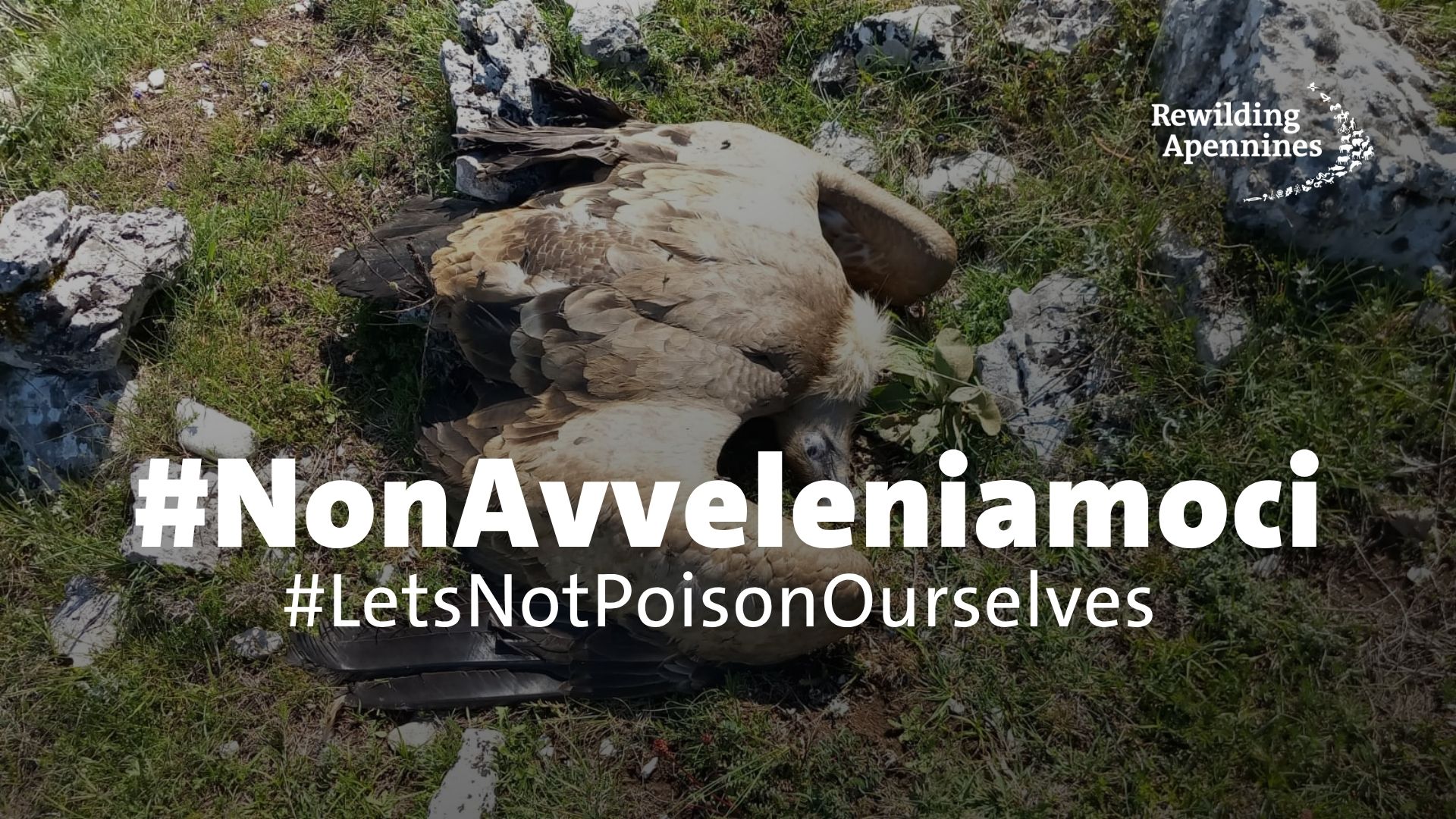

16,826 animals poisoned in Italy in fifteen years, an underground supply chain of banned substances, near-total impunity. The full text of Rewilding Apennines’ address, with a concrete proposal: to extend the logic of Italy’s wildfire law to poisoning.
Daniela Gentile’s address for Rewilding Apennines at the press conference “Wolves, bears and poison” — Chamber of Deputies, Rome, 28 May 2026
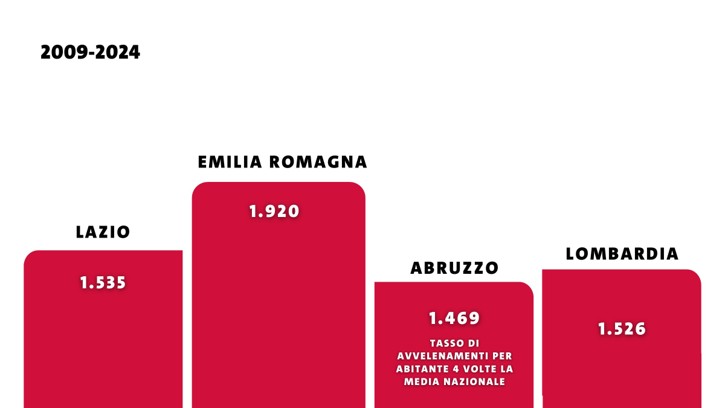
Sixteen thousand eight hundred and twenty-six animals poisoned in Italy between 2009 and 2024. Almost three a day, every day, for fifteen years.
And these are only the official cases, recorded by the National Monitoring Portal for Intentional Poisonings. The visible portion of a phenomenon that, by definition, takes place out of sight.
When we talk about poison, we are not talking, first and foremost, about wildlife protection. We are talking about legality. About an environmental crime whose numbers, dynamics and reach make it a systemic phenomenon. And the way we are addressing it today is not equal to it.
Rewilding Apennines, which I represent, is an ecological restoration organisation affiliated with Rewilding Europe. We work in the Central Apennines, mostly outside the protected areas, where conservation is both harder and more necessary. We work on restoring ecosystems and on coexistence with large carnivores: poison undermines both.
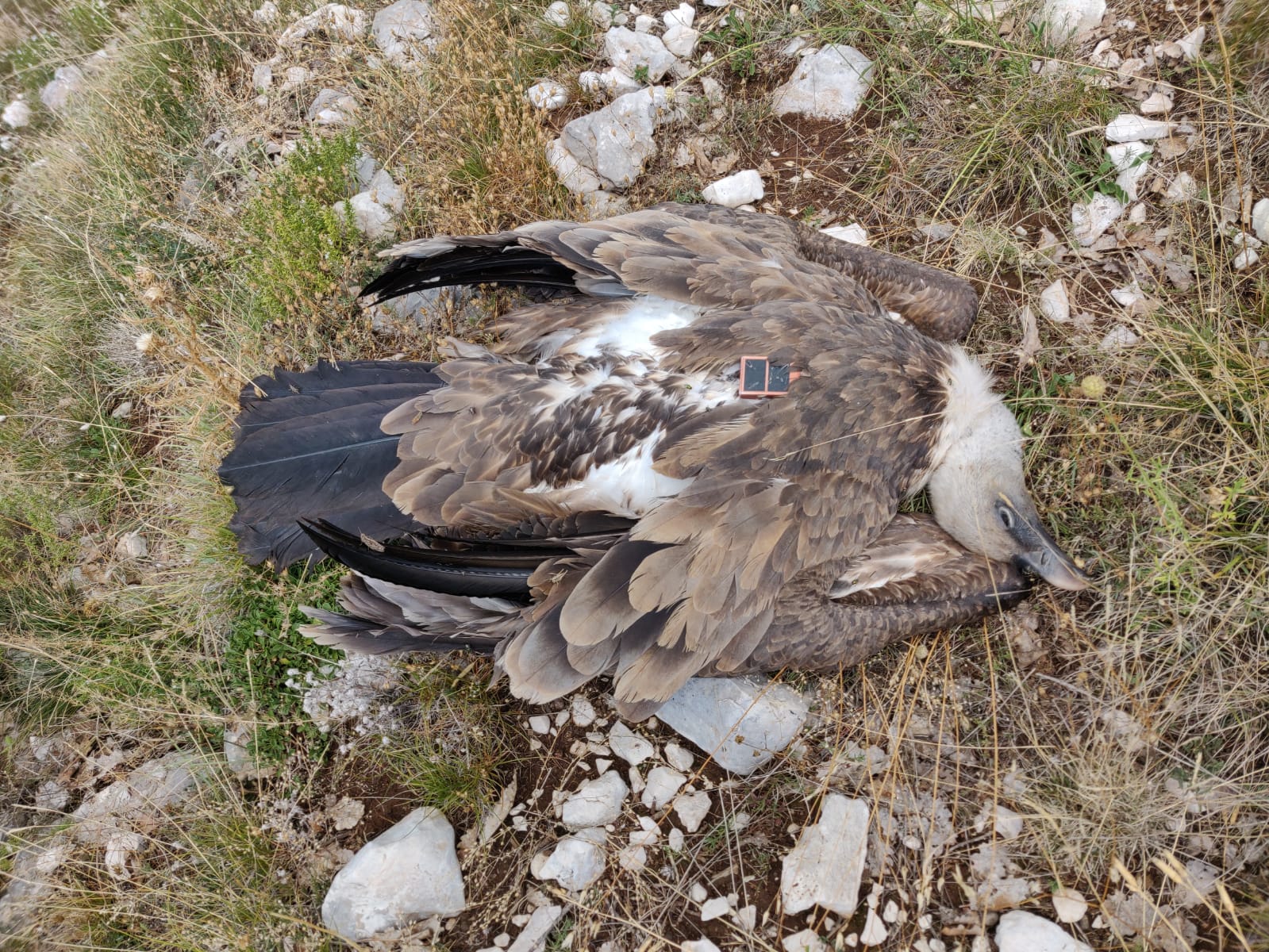
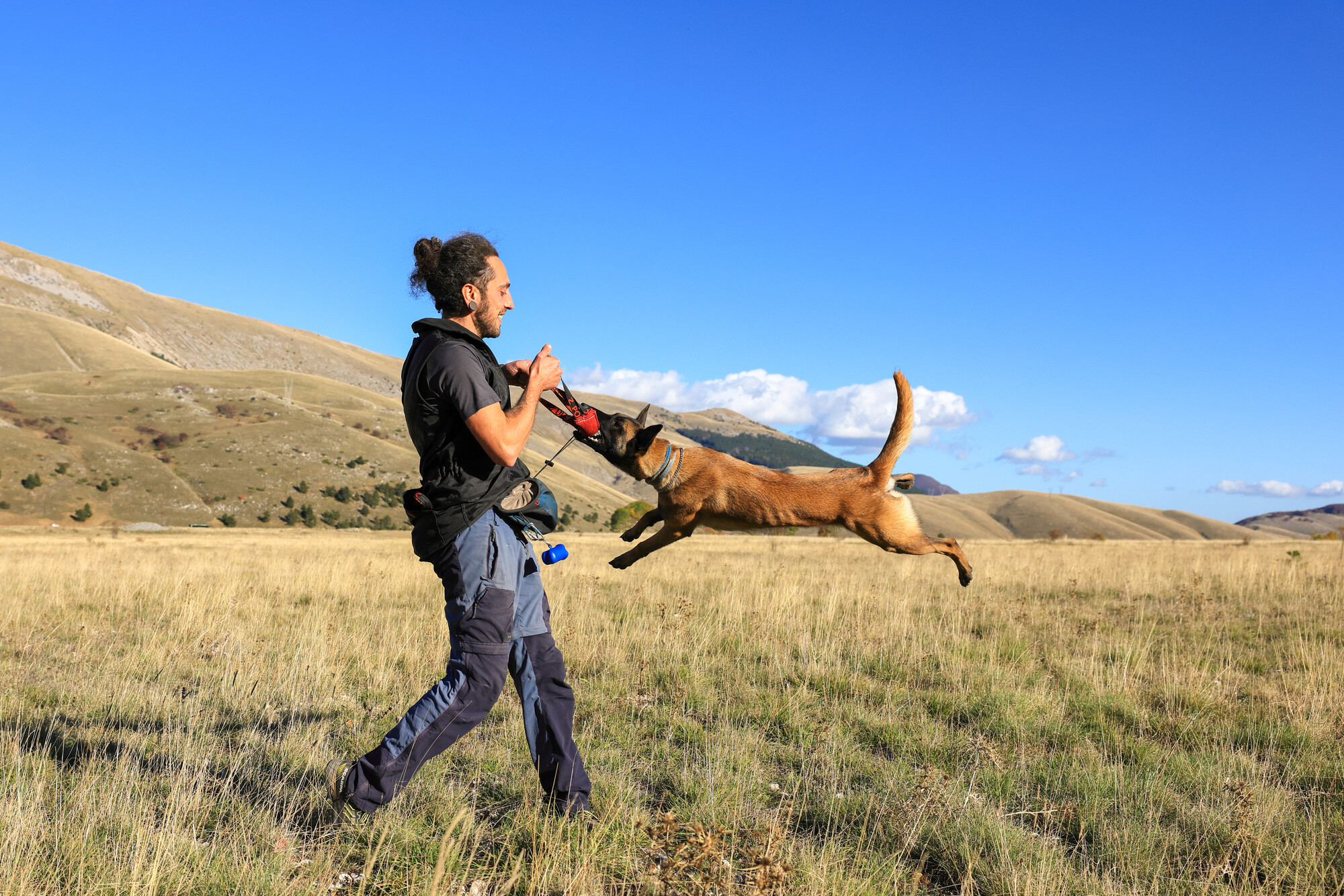
Together with the Carabinieri Biodiversity Unit of Castel di Sangro we manage the griffon vulture population in the Apennines. And this year we have set up an anti-poison dog unit. Poison is something we have come across far too many times.
We work between Lazio and Abruzzo: respectively the second and fourth regions in Italy for confirmed cases. Abruzzo alone has a poisoning rate per inhabitant four times the national average. In these mountains the problem is not marginal. It is structural.
For decades poison has been, and in some contexts still is, a tolerated tool. A practice that is handed down, justified, played down. “It has always been this way.”
These are not isolated incidents. This is not crime news. It is a phenomenon with its own geography, its own seasonality, its own supply chain and its own continuity. This is no longer a sum of episodes: it is a system.
And then there is the silence. A poisoned carcass in a wood is not there by chance. Someone put it there, someone saw it, someone knows. And almost no one speaks.
We are not talking only about wildlife protection. We are talking about legality.
Let me give you another figure, because it comes from our daily work with the Carabinieri Forestry: 53% of the griffon vultures we find dead have been poisoned. Including the suspected cases, we reach 69%.
The griffon vulture is not the target. It feeds on poisoned carcasses, often meant for wolves, and it dies. We call them the sentinels of poison, because they are the first to arrive. But griffon vultures only find large carcasses in open country. What happens beyond that?
Once dispersed into the environment, a bait does not discriminate: it can kill a fox, a golden eagle, a wolf, but also the family dog or cat. Dogs and cats are, by sheer numbers, the leading victims of this crime. Thousands of them.
The risk to people is recognised too. The ordinances against poisoned baits are issued each year by the Ministry of Health, not the Ministry of the Environment.
And yet, faced with a phenomenon of this scale, convictions are practically non-existent. In Italy there is not even a public figure quantifying the specific convictions for the intentional poisoning of wildlife: that in itself is telling. A broader picture is offered by Legambiente’s latest report on crimes against animals: 5,600 proceedings a year, only 850 convictions. 70% of investigations open against persons unknown and end up shelved.
A picture consistent with our experience in the field: where there is poison, as far as we are concerned, there is never anyone responsible.
Poison does not strike animals alone. It poisons the reputation of entire communities that live on nature, on tourism, on local produce. And it poisons the relationship between citizens and the State, because every case without a culprit adds to the others, until impunity becomes the rule.
The most striking recent cases
10 April 2026: 21 wolves and other wildlife in the heart of Italy’s oldest protected area.
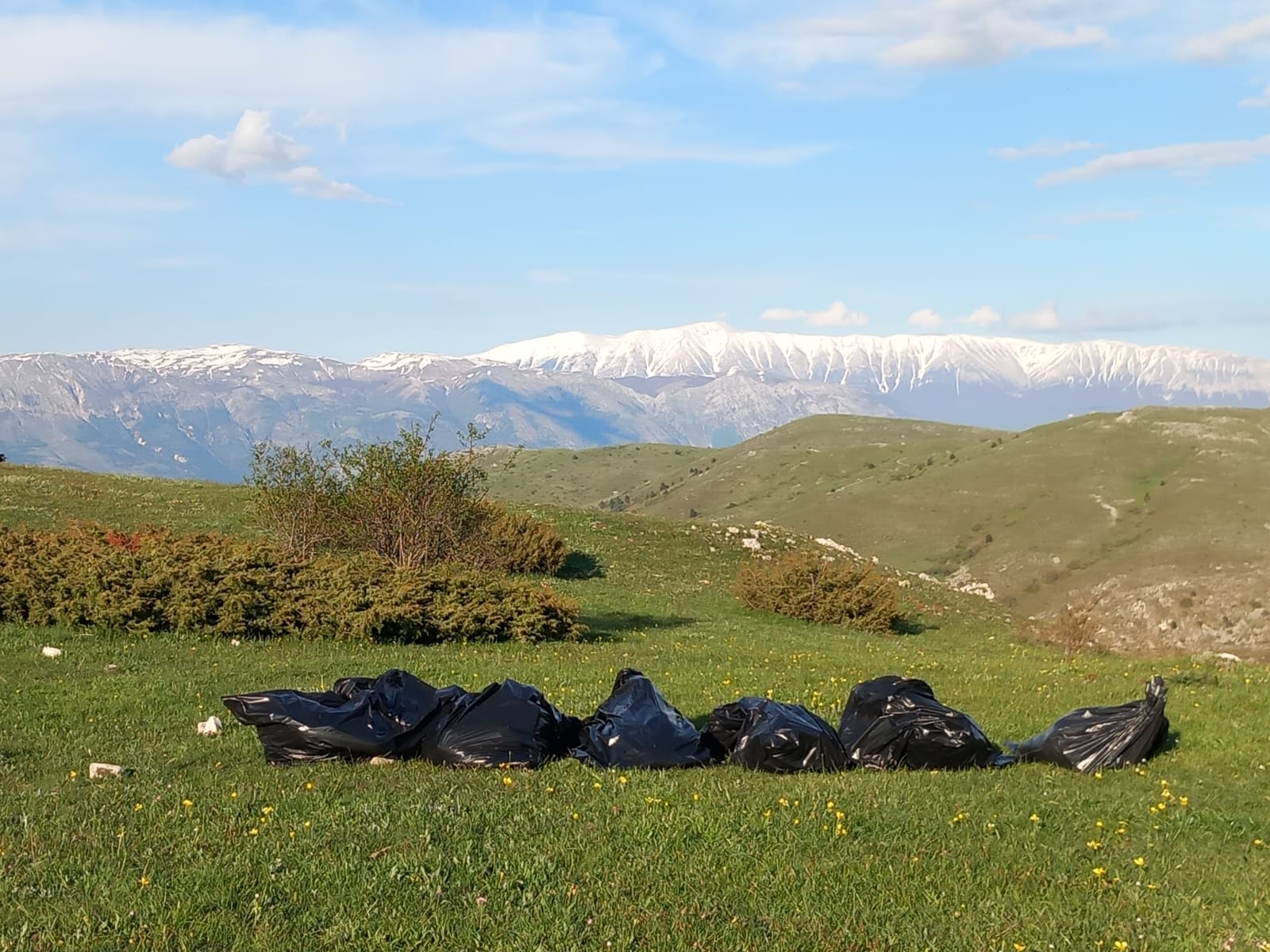
11 May 2023: the animals in the bags are nine wolves and five griffon vultures at Cocullo, in Abruzzo.
Who poisons?
And here something needs to be said very clearly. Those who poison, in Italy, are almost never deranged or isolated individuals. They are people pursuing a specific interest.
There is the truffle hunter who scatters poisoned meatballs meant for competitors’ dogs, to reduce the competition on a market worth thousands of euros.
There is the livestock farmer who wants to get rid of wolves and who, instead of choosing prevention tools that are perfectly available and in many cases funded with public and private money, takes the shortcut.
And of course there is a grey zone made up of many other situations: reckless acts, private feuds, and a so-called “fight against strays” that ends up killing without discriminating.
Different interests, but a shared conviction: that poison is an acceptable means of settling a conflict. And it is exactly this idea that we have to manage to dismantle.
An illegal market
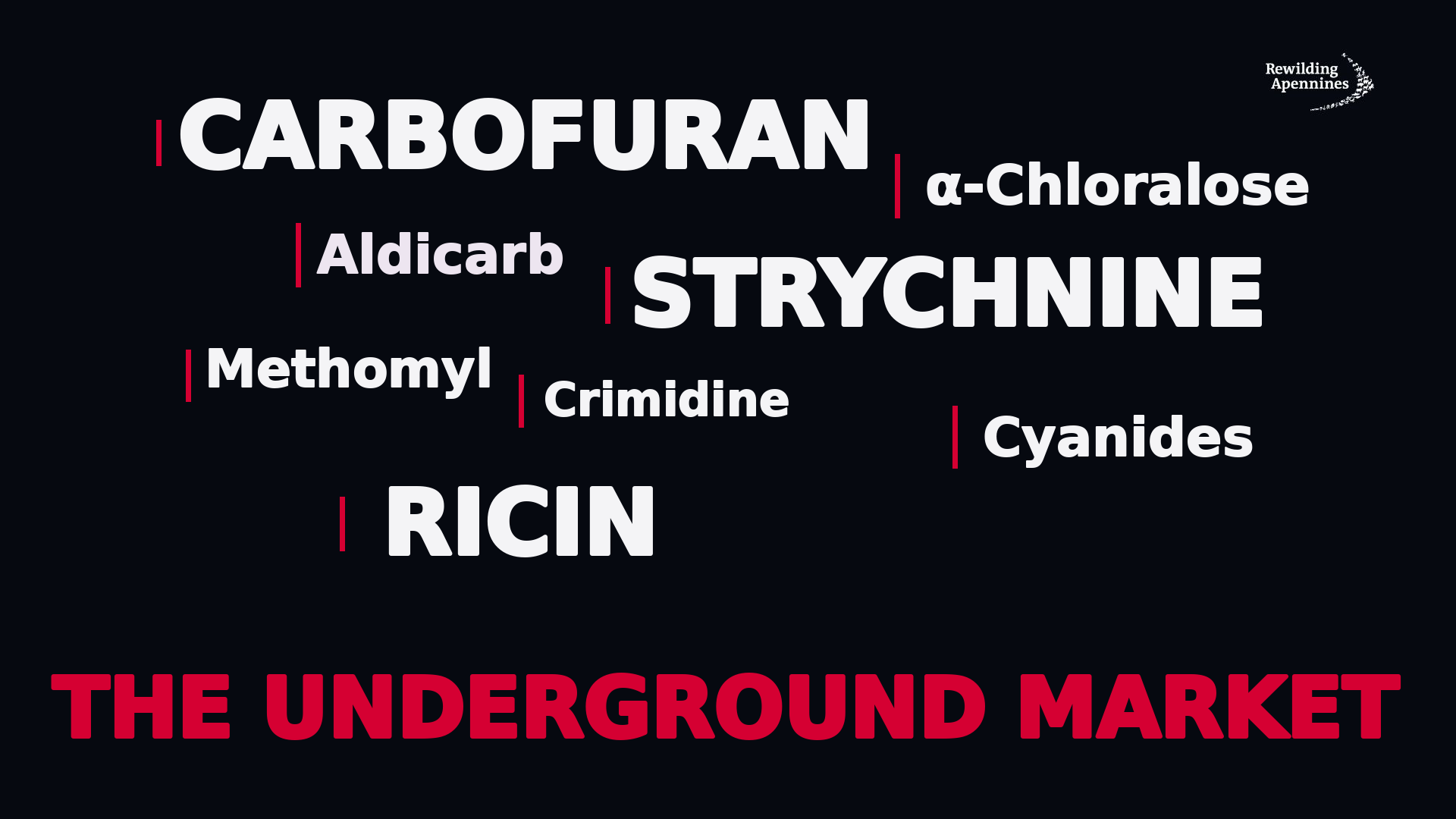
And then there is another level of illegality, the one upstream. The substances used today are no longer products you can buy at the chemist’s, as was once the case. They are plant protection products, rodenticides, veterinary medicines: largely active ingredients banned or strictly regulated under European and national law. And yet they circulate. They can be found. They can be bought.
One example is enough. Carbofuran is an insecticide banned in Europe since 2008. Today, seventeen years on, it is still the substance most often found in griffon vulture carcasses in the Apennines. The poisoned baits we find speak not only of those who set them: they speak of a hidden supply chain that feeds them.
This is not just about wildlife. It is about environmental crime on a widespread scale.
The proposals
Italy spends millions each year to protect animals safeguarded by our laws and by European directives: it is paradoxical that the Marsican brown bear should then end up poisoned.
What we are asking for is a clear change of pace, equal to a serial and systemic crime.
A precedent exists, and it works: Law 353 of 2000 on forest fires. When an area burns through arson, multi-year restrictions kick in on the activities that can be carried out there. A severe measure, but an effective one, because it bears directly on the interest of whoever starts the fire. The same logic can be extended to poison: in areas where intentional poisoning is confirmed, a multi-year ban on grazing, on hunting, on truffle gathering. Only in this way, for those who poison, does the risk stop being abstract.
Let me add one element this Chamber cannot ignore. Last 21 May, seven days ago, the deadline expired for transposing European Directive 2024/1203 on the protection of the environment through criminal law. It means that by 21 May 2027 Italy will have to adopt a national strategy to combat environmental crime. That document is the place where tackling poison can become an explicit priority.
A model exists. Spain has had a National Strategy against the use of poisoned baits since 2004: twenty-two years of implementation, measurable results. We are not asking for anything experimental. We are asking Italy to adopt an approach that is already bearing fruit elsewhere.
When a crime has this scope, this systematic character, this reach, and produces zero convictions, it is no longer merely an investigative difficulty. It is a political choice. And political choices are changed precisely in here.
We are asking for three things
The first: that tackling poison enter the real priorities of investigators and of all the competent authorities, with resources, specific training and coordination.
The second: that the wall of silence be broken with structural, sustained awareness campaigns.
The third, and most urgent: that this Chamber open a discussion on a specific law for the crime of intentional poisoning of wildlife, one that includes the principle already applied to fires.
Those who poison the land should be stripped of any chance to profit from it.
Because as long as we go on counting the animals killed without counting those responsible, we will be talking about wildlife. When we start counting those responsible, then we will be talking about legality.
Thank you.