
Beyond the heart of the Abruzzo, Lazio and Molise National Park, similar incidents are being reported throughout the region. A handful of despicable criminals, aided by the complete absence of any preventive monitoring on the ground, cast a shadow of shame over the entire Abruzzo community.
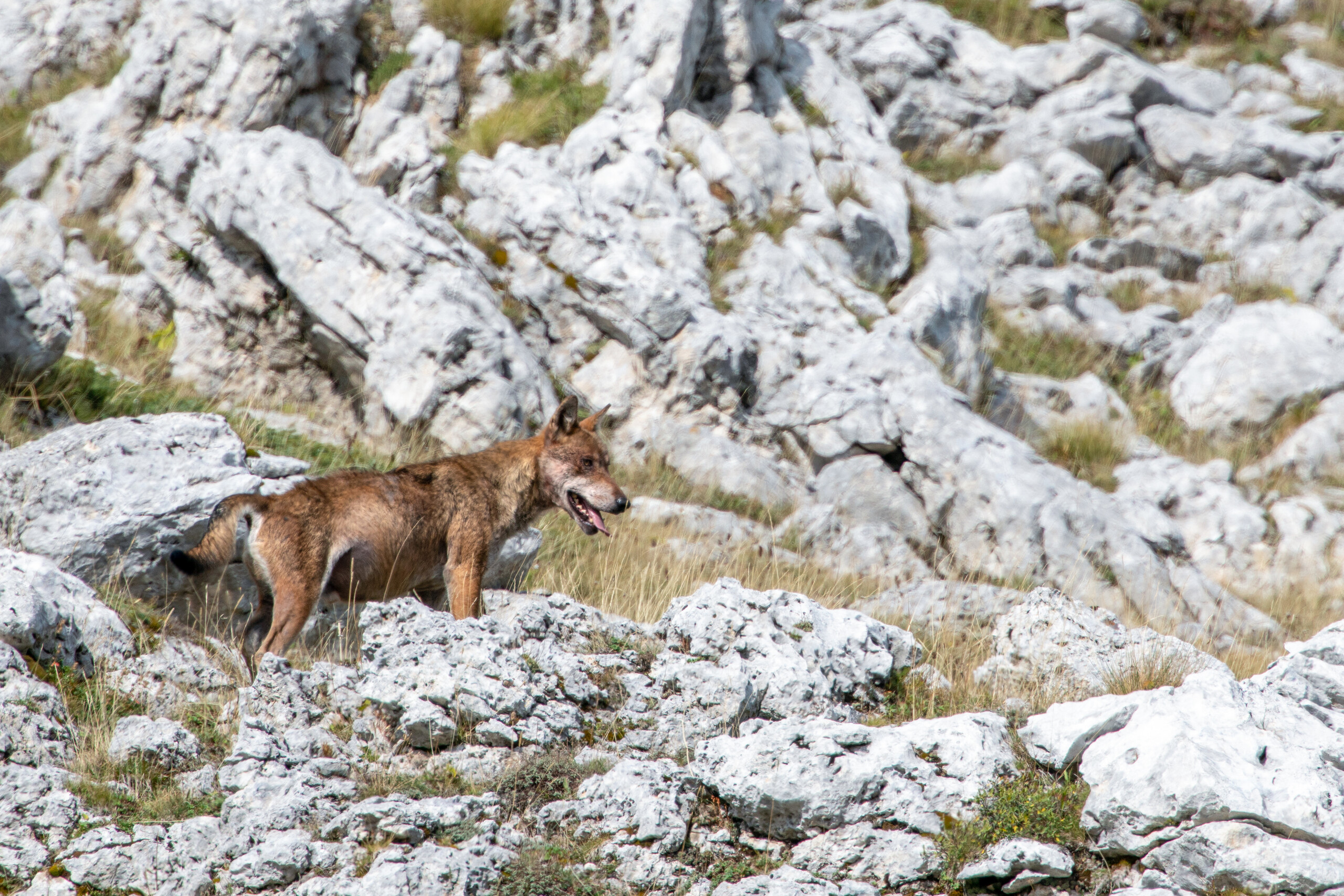
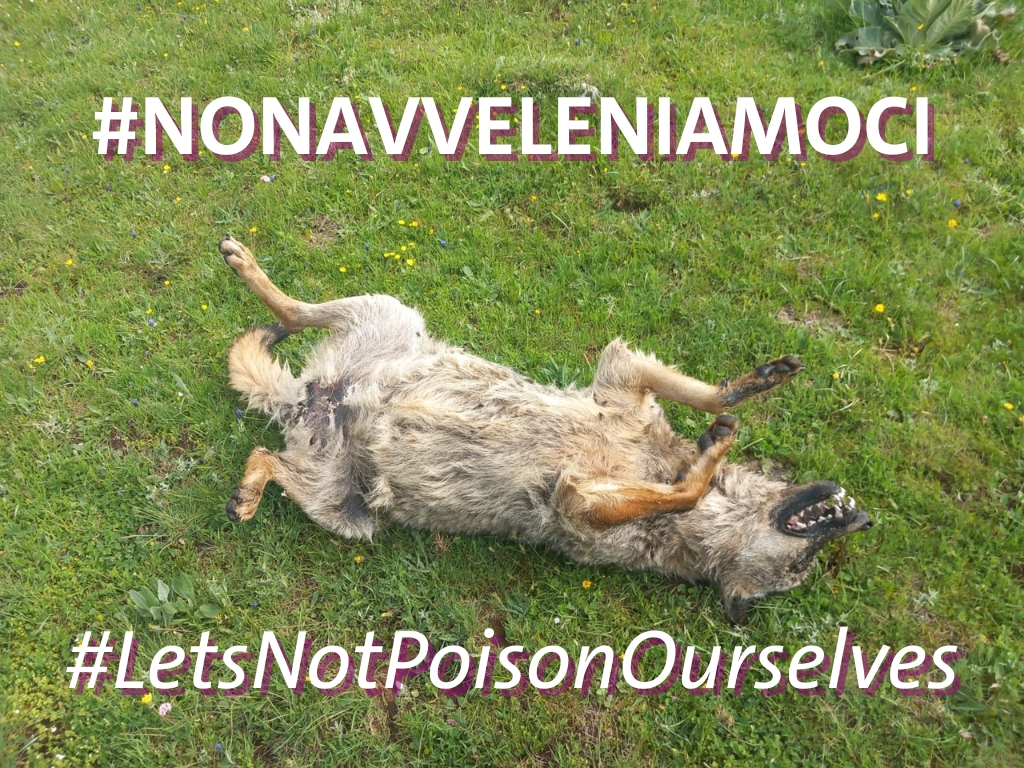
At least 12 wolves have been found dead from poisoning in Abruzzo over the past 15 days. The most serious incidents, following the one in Corcumello, occurred in Pescasseroli and Alfedena, where ten wolves lost their lives, along with several carcasses of other small wildlife and raptors — a sign of an impact that extends well beyond the target species and affects the entire ecosystem. #LetsNotPoisonOurselves
These killings are unjustifiable and represent a severe wound to the territory and to all those who live in it and protect it. Poisoning is a cowardly and despicable act that cannot in any way be justified as a response to alleged problems of “land management” or “protection of productive activities”. Behind every animal killed by poisoning lies a deliberate and indiscriminate act that causes extreme suffering and puts at risk not only wildlife, but also domestic animals and the balance of the entire ecosystem.
Responsibility, however, cannot be attributed solely to those who physically carry out these acts. Equally serious is the failure to prevent what has happened, despite previous warning signs and incidents already being evident. Episodes such as the one in 2023, in which at least 9 wolves and 5 griffon vultures were killed by poisoned bait in the area between the Abruzzo, Lazio and Molise National Park and the Cocullo area (AQ), did not lead to any effective strengthening of controls or to concrete, sustained action on the ground.
This lack of prevention and institutional presence — especially in areas outside the parks — helps create zones where illegal activity appears to go unchecked, with devastating consequences for wildlife and for the credibility of environmental protection itself.
Inaction, in these cases, is complicity.
And silence is equally grave. Those who know and say nothing are choosing which side they stand on. The wall of silence surrounding these incidents is a poison just as deadly as the one scattered through the woods: it protects the guilty, isolates those who speak out, and normalises illegality. Poisoning means striking indiscriminately — wolves, foxes, dogs, raptors. Tomorrow it could be a Marsican brown bear. It may already have happened, given that the remains of a bear were found a month ago in the same area. And when it happens again, it will be too late to be outraged.
We will not accept that this is filed away as yet another isolated incident. It is not. It is the result of a toxic climate in which those who destroy wildlife and poison the land feel free to do so, confident they will face no consequences. Immediate accountability is needed. Controls are needed, serious investigations, exemplary sanctions. But above all, this wall of silence must be broken.