
A 350-page study, two years of work, and contributions from sixteen authors across six European countries: Rewilding Apennines and Rewilding Europe have published the document assessing the conditions for reintroducing two large vulture species to the Central Apennines.
…
..
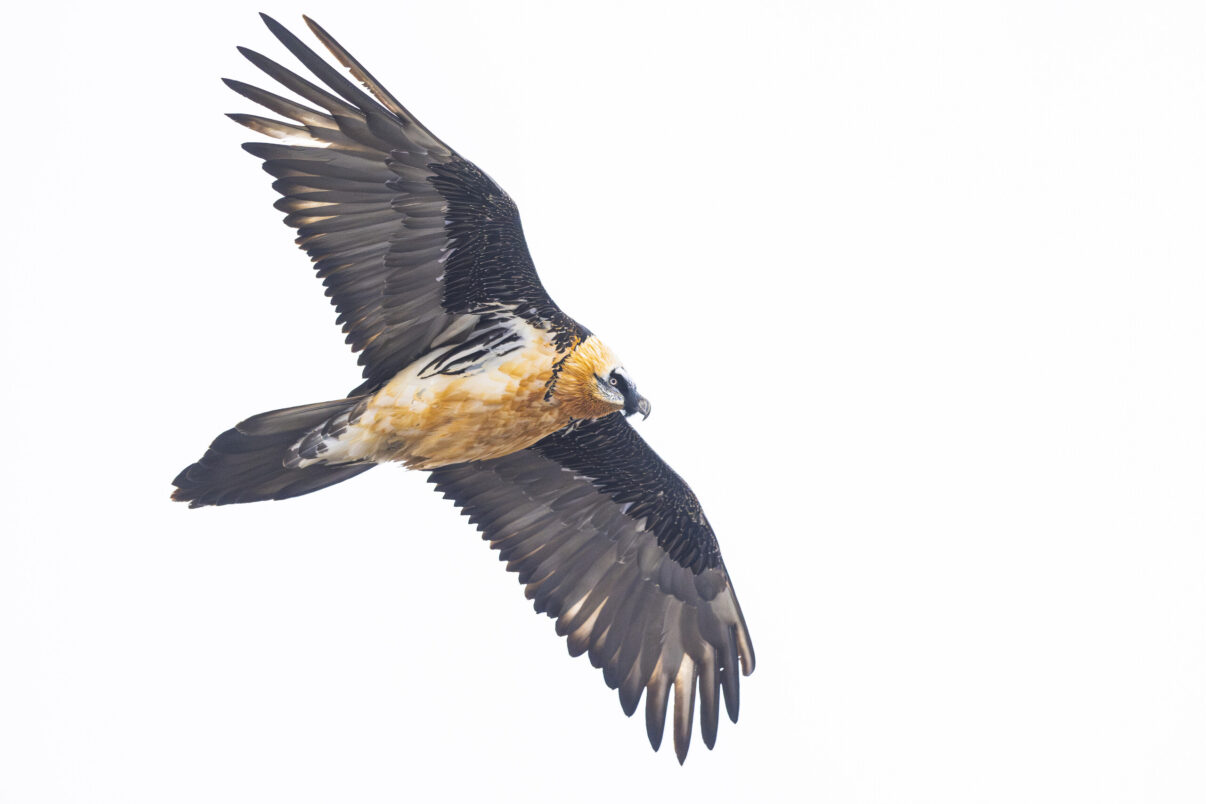
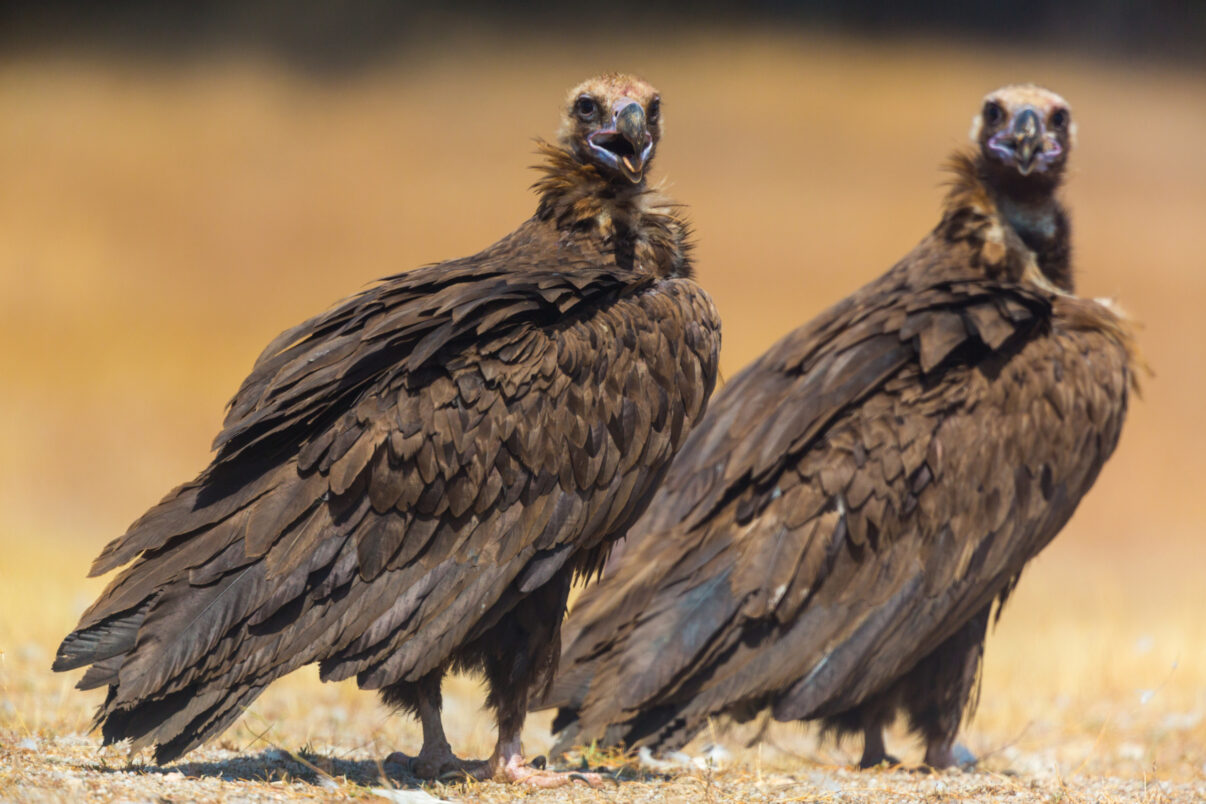
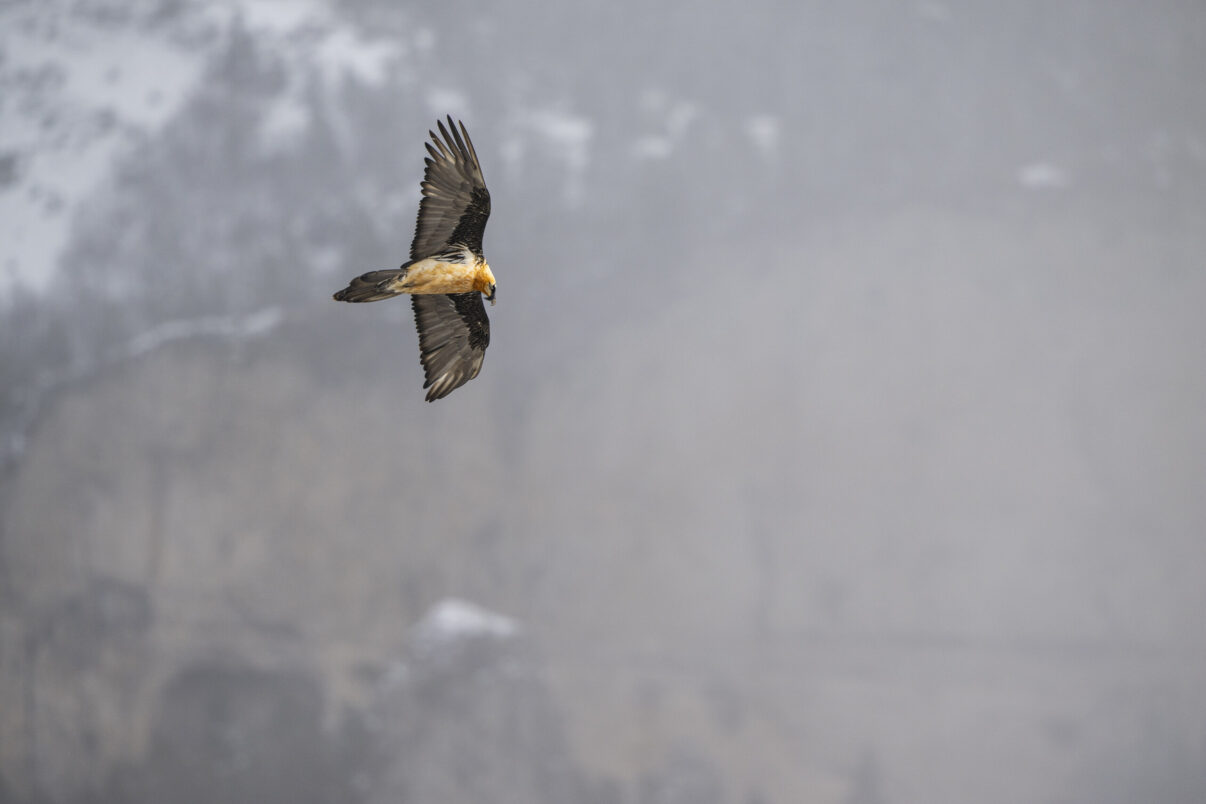
The Bearded vulture (Gypaetus barbatus) and the Cinereous vulture (Aegypius monachus) have been absent as breeders from the Apennines for hundred of years, with the exception of sporadic appearances by dispersing individuals from the nearest European populations. The last known individuals of both species in Italy went extinct in Sardinia between the 1960s and 1970s.
This study, published by Rewilding Apennines and Rewilding Europe, analyses in depth whether the environmental and social conditions now exist to bring both species back to the Central Apennines. It represents the first step towards proposing formal reintroduction initiatives for both species there.
Sixteen years on
The study, comes sixteen years after the previous work by Genero and colleagues (2010), which had assessed the suitability of the Monti Sibillini and Gran Sasso e Monti della Laga National Parks for the translocation of the Griffon and the Bearded vulture. It can be considered both an update and an expansion of that analysis, with specific attention to the Cinereous vulture, and is the result of nearly two years of research conducted by some of the leading vulture experts at national and European level.
What it contains
The document is structured in 18 chapters and addresses the question from every relevant viewpoint: the regulatory framework for translocations, IUCN criteria, the historical causes of extinction of both species, analysis of current threats , potential habitat modelling, population viability analysis, carrying capacity, the health status of grazing livestock, and a social feasibility study examining perception and acceptance among local communities.
This is not a document that simply asks whether reintroduction is possible: it offers concrete guidance for land management that accounts for the presence of vultures and for mitigating the threats these animals face.
…
.
Rebuilding a scavenger community
This feasibility study forms part of a process initiated by Rewilding Apennines over recent years through a series of preparatory studies on the possibility of restoring a complete vulture community to the Central Apennines, where currently only the Griffon vulture (Gyps fulvus) is steadily present, thanks to reintroductions carried out in the 1990s by the former Corpo Forestale dello Stato. The European obligate scavenger community comprises four species: Griffon vulture, Cinereous vulture, Egyptian vulture and Bearded vulture. In the Apennines, this community remains largely incomplete.
The authors
The study was coordinated by Mario Posillico (ARDEA APS, scientific coordinator), Enrico Bassi (Centro Italiano Studi Ornitologici, University of Palermo, Nicolò Borgianni (Rewilding Apennines), and Fulvio Genero (Riserva Naturale Regionale del Lago di Cornino), with Mario Cipollone (Rewilding Apennines) as overall project coordinator.
Sixteen authors contributed from Italian and European institutions: Rewilding Apennines, ARDEA APS, the Centro Italiano Studi Ornitologici, University of Palermo, the Riserva del Lago di Cornino, the Instituto de Estudios Sociales Avanzados (IESA-CSIC, Spain), Planckendael Zoo (Belgium), LPO Birdlife France, TUD Dresden University of Technology (Germany), and the Forest Research Institute of Baden-Württemberg.
The document
Rewilding Apennines is working on a popular science version of the study to make its contents accessible to a wider audience. In the meantime, the full study is available here: Feasibility study for the reintroduction of the cinereous vulture (Aegypius monachus) and the bearded vulture (Gypaetus barbatus) in the Central Apennines.
..
