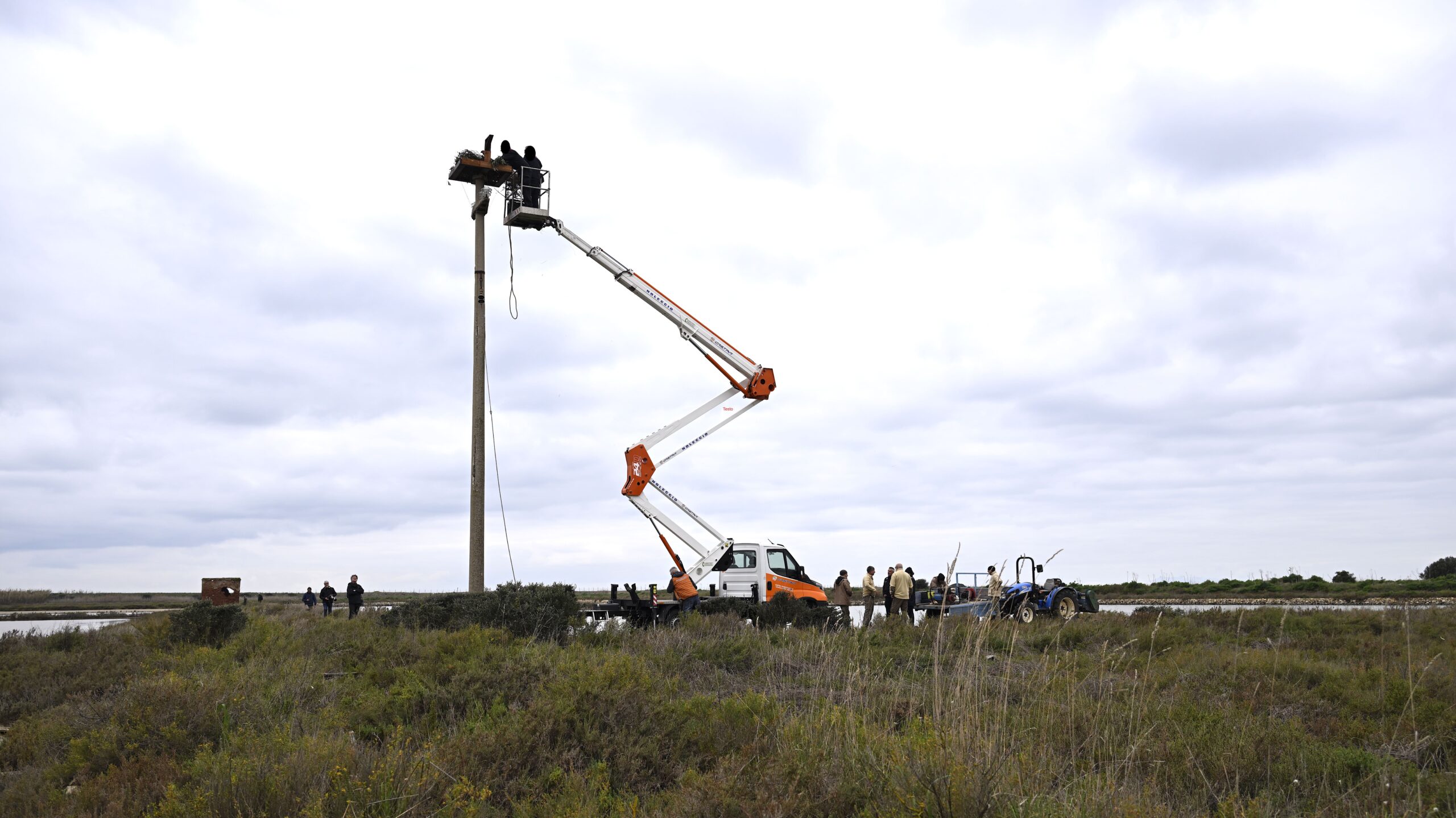

Altura and Rewilding Apennines have carried out a concrete conservation action aimed at supporting the return of a rare and valuable species for wetland ecosystems.
The Osprey is a bird of prey closely associated with aquatic environments and lives near marshes, ponds, rivers and coastlines, where it catches fish through spectacular dives that inspire admiration in all those fortunate enough to witness this display of wild nature. During the second half of the last century, the species was no longer breeding in Italy. However, following reintroduction projects and conservation efforts launched in the 1980s within protected areas of Tuscany, Ospreys have returned to breed successfully and fledge young chicks, offering renewed hope for an expansion of the species’ breeding range.
These encouraging results, initially concentrated in the protected coastal areas of the Tyrrhenian Sea, now appear to be facing obstacles due to the scarcity of suitable natural nesting habitats along heavily urbanised and overcrowded coastlines. Such limitations suggest that, once the remaining suitable coastal wetlands have been occupied, future expansion of Osprey breeding areas may increasingly involve inland wetlands, provided these areas are well protected and rich in food resources.
It is within this context that the collaboration between Altura and Rewilding Apennines was established, with the aim of supporting the population growth and range expansion of the Osprey through the installation of artificial nesting platforms in suitable sites across central Italy.
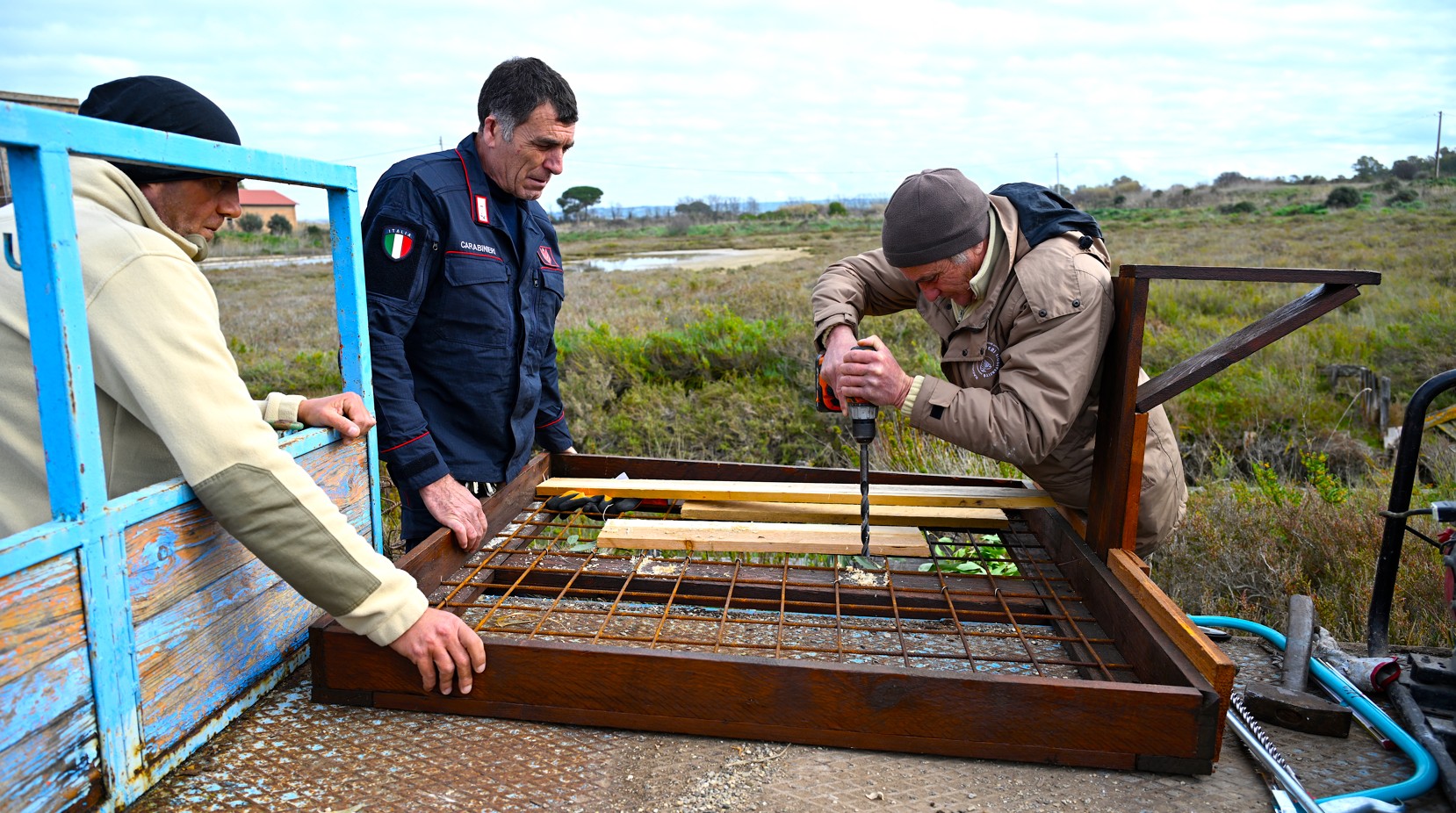
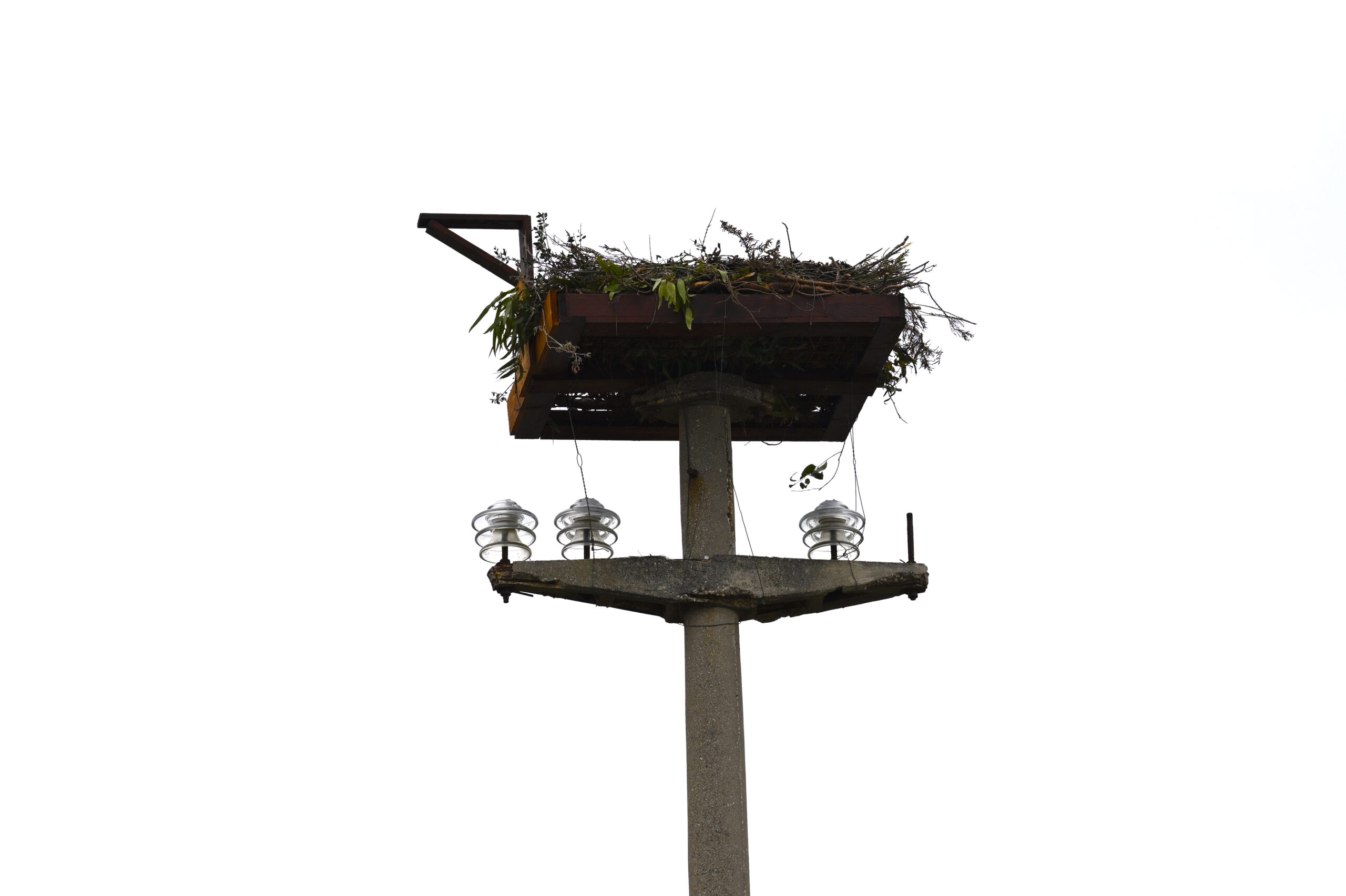
Thanks to the valuable support provided by the local Forestry Carabinieri, the Saline di Tarquinia Nature Reserve became the location of the first intervention, when, last winter, an artificial Osprey nest was installed on a decommissioned ENEL medium-voltage power pylon. In addition, Altura and Rewilding Apennines identified the Lakes Lungo and Ripasottile Nature Reserve as another area of particular importance for future conservation efforts focused on the species, leading to the establishment of a multi-year cooperation agreement dedicated to the Osprey.
The nest positioned at the centre of the Saline di Tarquinia wetland lies along the migratory corridor of the Tyrrhenian coast, where a slow but steady increase in breeding pairs is currently underway. This gives us hope that the platform may soon be occupied by a pair of Ospreys.