
On 6 March, 25 griffon vultures from Spain arrived in the Apennines. It is the beginning of a three-year initiative to strengthen a still fragile population and restore essential natural processes across the landscape — part of a far greater picture.
..
.
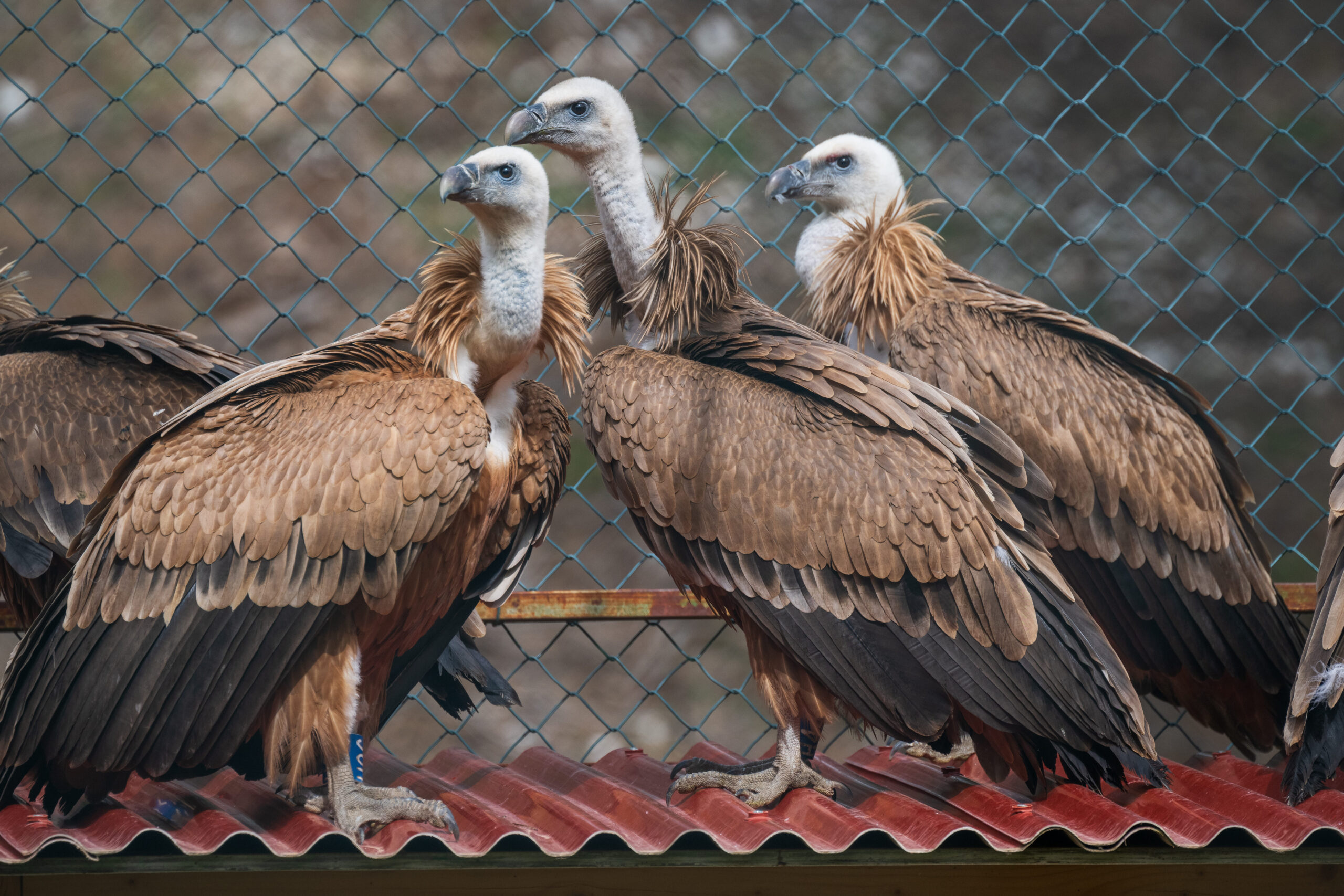
The griffon vulture is no stranger to the Central Apennines. The species was present at least until the mid-sixteenth century, and began nesting on these mountains again thanks to reintroductions carried out in the 1990s by the Carabinieri Biodiversity Department Castel di Sangro. Since then, the population has grown — slowly but steadily — performing a role that few notice, yet the landscape cannot do without: swiftly removing carcasses, reducing the risk of disease spread, and reweaving the food web that, without vultures, would remain incomplete.
In recent years, however, that recovery has slowed. Mortality rates have risen again, often due to human causes. «Mortality has been increasing again, mainly as a result of poisoning,» explains Nicolò Borgianni, Vulture Field Officer at Rewilding Apennines. «Poisons are almost never intended for griffons, but these birds locate and consume carcasses so quickly that even isolated poisoning incidents can put them at serious risk, potentially undermining the long-term survival of the population.»
«This restocking — alongside an anti-poaching and, above all, anti-poisoning strategy — is designed to provide concrete demographic support and reduce that pressure, following a model that has already proved successful in other contexts, including Sardinia.»
…
From Spain to the central Apennines: a network that works
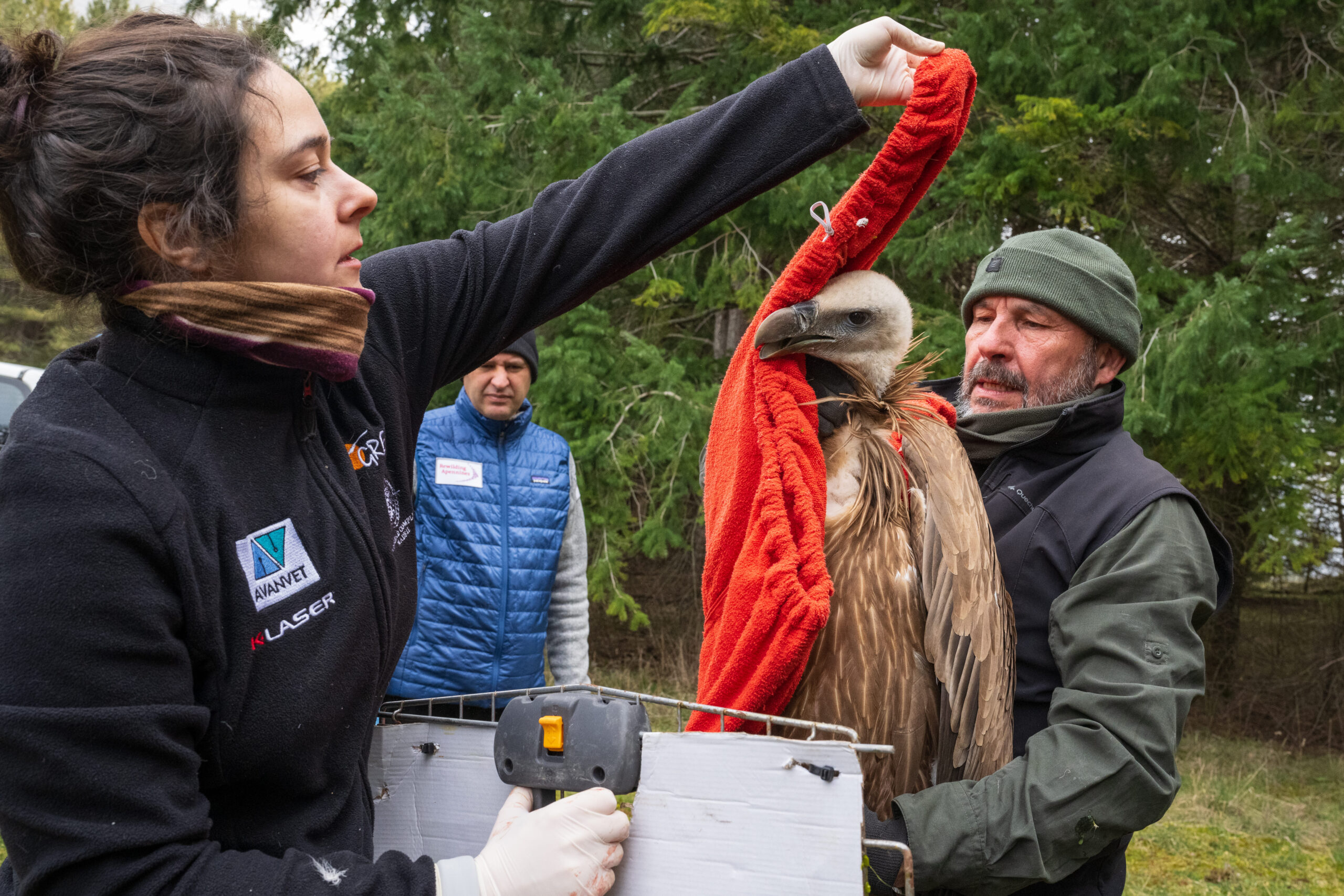
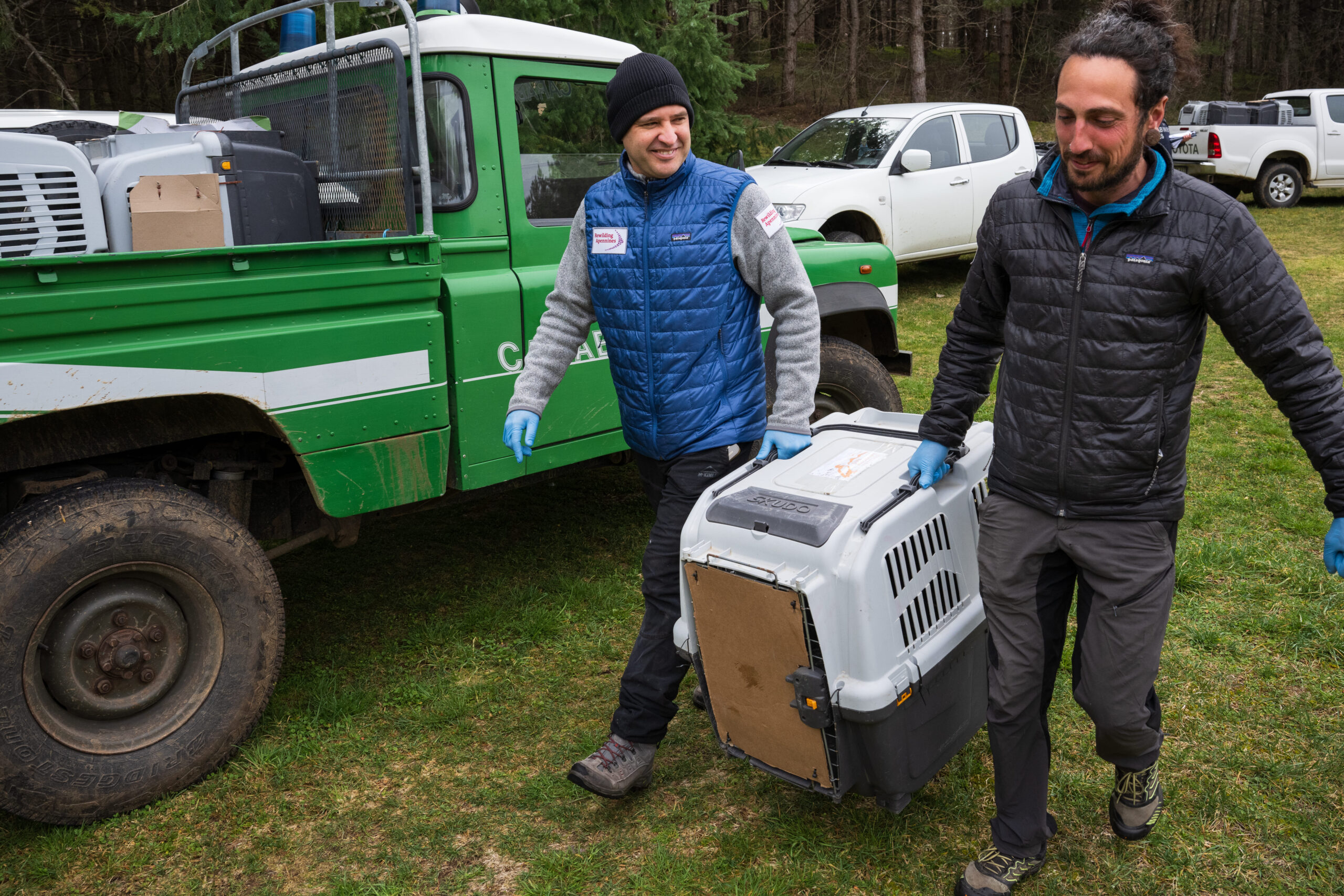
The 25 griffons transferred in March are young individuals recovered in the wild by GREFA, one of Europe’s leading wildlife rehabilitation centres, based in Spain. They will spend several months acclimatising in aviaries at the Monte Velino Oriented Nature Reserve before release in autumn — when dispersal tendency decreases and the likelihood of settlement increases.
«Vulture populations on the Iberian Peninsula are now more stable than in other European regions,» says Pablo Izquierdo Cezón, a member of the GREFA team. «We collaborate with several countries to support the recovery of these species in areas where demographic dynamics are more fragile.»
The overall aim is the release of around 60 griffons over three years — a figure designed to stabilise the Apennine population and reduce its long-term vulnerability. According to the Carabinieri Biodiversity Unit of Castel di Sangro, which has been studying and monitoring griffon vultures since the earliest reintroductions in collaboration with numerous institutions and associations, acting now is decisive:
«Intervening now, before the population reaches critical levels, allows us to preserve reproductive capacity and ensure stability over time.»
…
…
Science in the field: monitoring to protect
Every released griffon will be fitted with a GPS device — not a technical detail, but the tool that allows the team to track the animals and respond rapidly if something goes wrong: a case of poaching, a poisoning incident, an animal in difficulty.
«Daily monitoring allows us to react quickly,» Borgianni emphasises.
Alongside this, rigorous health protocols have been put in place. Francesca Manzia, a consultant specialising in raptor rehabilitation, coordinated health checks on the individuals prior to transfer:
«These animals come from one of the most advanced recovery centres in Europe, so we already have strong assurances regarding their health status. Even so, additional checks are essential to guarantee epidemiological safety and scientific quality. We therefore collect biological samples during the acclimatisation phase as well, with particular attention to zoonosis screening.»
A crucial role has been played by CITES (the Convention on International Trade in Endangered Species of Wild Fauna and Flora), which regulates trade in threatened species to ensure their survival. In this specific operation, full compliance with the stringent international procedures governing the movement of live animals and ensuring their welfare was secured through the invaluable contribution of the Carabinieri CITES Group and the Carabinieri CITES department of Pescara, who oversaw each phase to ensure the operation proceeded in complete conformity with applicable regulations.
Direct collaboration between the law enforcement agencies and conservation organisations enables, among other things, faster responses to poaching and wildlife crime. Swift intervention is indeed the foundation of more effective investigative action, providing concrete protection for wild fauna and, ultimately, for global biodiversity.
…
…
More than a species: a landscape regaining function
The griffon vulture is not simply one of the most majestic birds in the European sky. It is a keystone species: it removes carcasses naturally, recycles nutrients, and reduces health risks for both wildlife and the people who live in the landscape. Where vultures fly, ecosystems function better — and pastoral systems benefit too, with lower costs and greater hygiene guarantees for livestock farmers. The presence of these animals also opens new opportunities for wildlife tourism.
This restocking is part of Rewilding Europe‘s broader wildlife comeback strategy, supported by the European Wildlife Comeback Fund — a tool designed to support the return of keystone species across Europe as a driver capable of reactivating the natural processes that sustain ecosystems.
The arrival of 25 griffons tells a story that reaches well beyond a single conservation intervention. It is one piece of a much larger picture. A nature reclaiming space. Reconnecting severed relationships. Returning to do what it has always known how to do. A concrete step towards landscapes that are more connected, more vital, and capable of regulating themselves.
We will be following the griffons closely in the months ahead — through to their autumn release and beyond.
_______
An initiative led by Rewilding Apennines with the Carabinieri Biodiversity Department Castel di Sangro and the support of the European Wildlife Comeback Fund of Rewilding Europe.
…
…