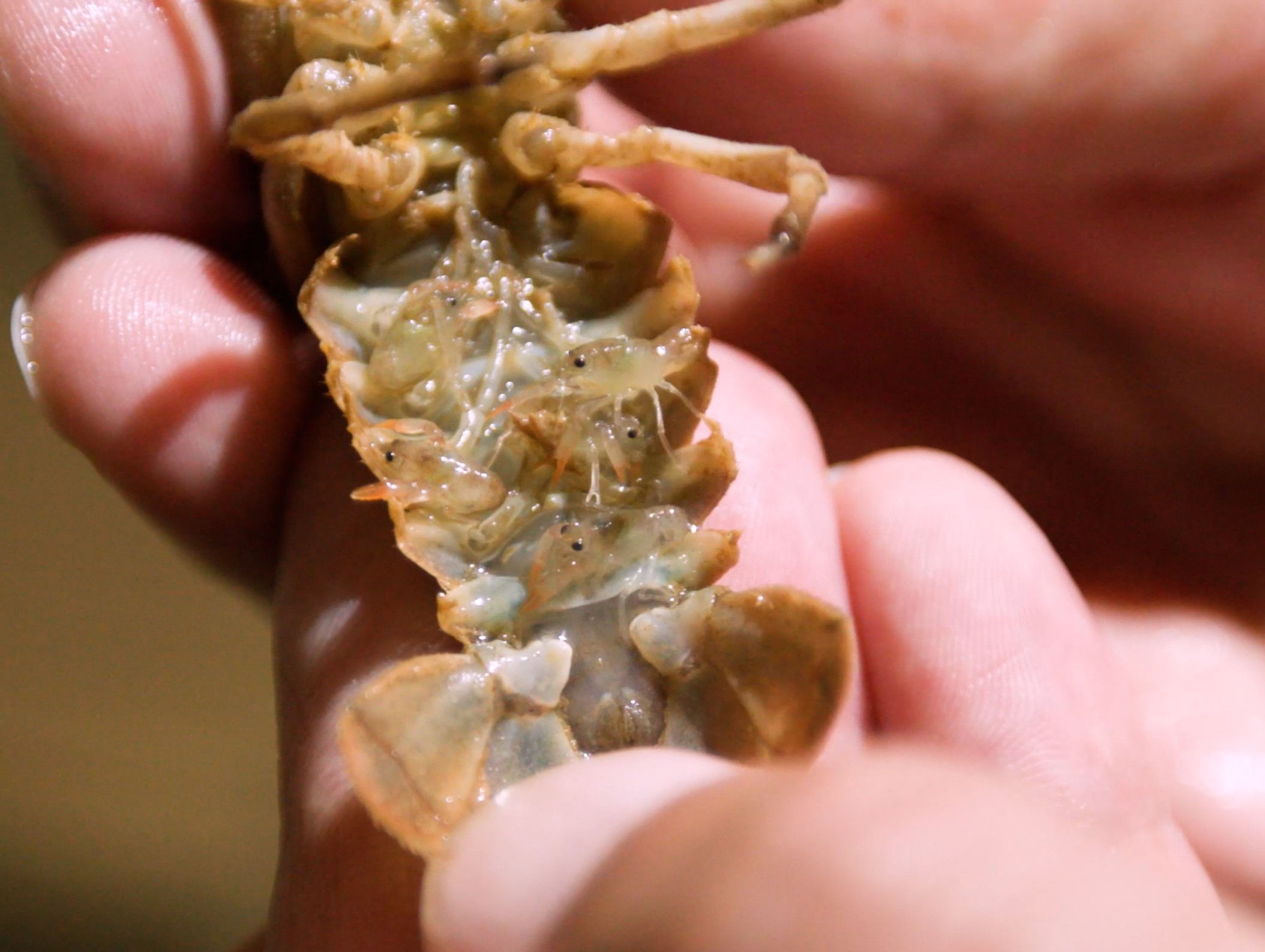

From the breeding and rearing centres for native crayfish and Mediterranean trout, where the animals are raised and prepared for their return to the wild, to the removal of river barriers, the work of Rewilding Apennines is changing the fate of the Apennine rivers.
Impact
Perhaps this is the word that best captures what Rewilding Apennines is building day by day along the rivers of the Apennines.
Since 2020, Rewilding Apennines has been running a large-scale, structured river restoration programme in the central Apennines, based on scientific data, detailed project design, administrative capacity and strong institutional partnerships. This journey has led to the first concrete removals of river barriers in the central Apennines and to systematic restocking of native species. Today, the programme stands as an operational and management benchmark for future river restoration projects in Apennine environments.
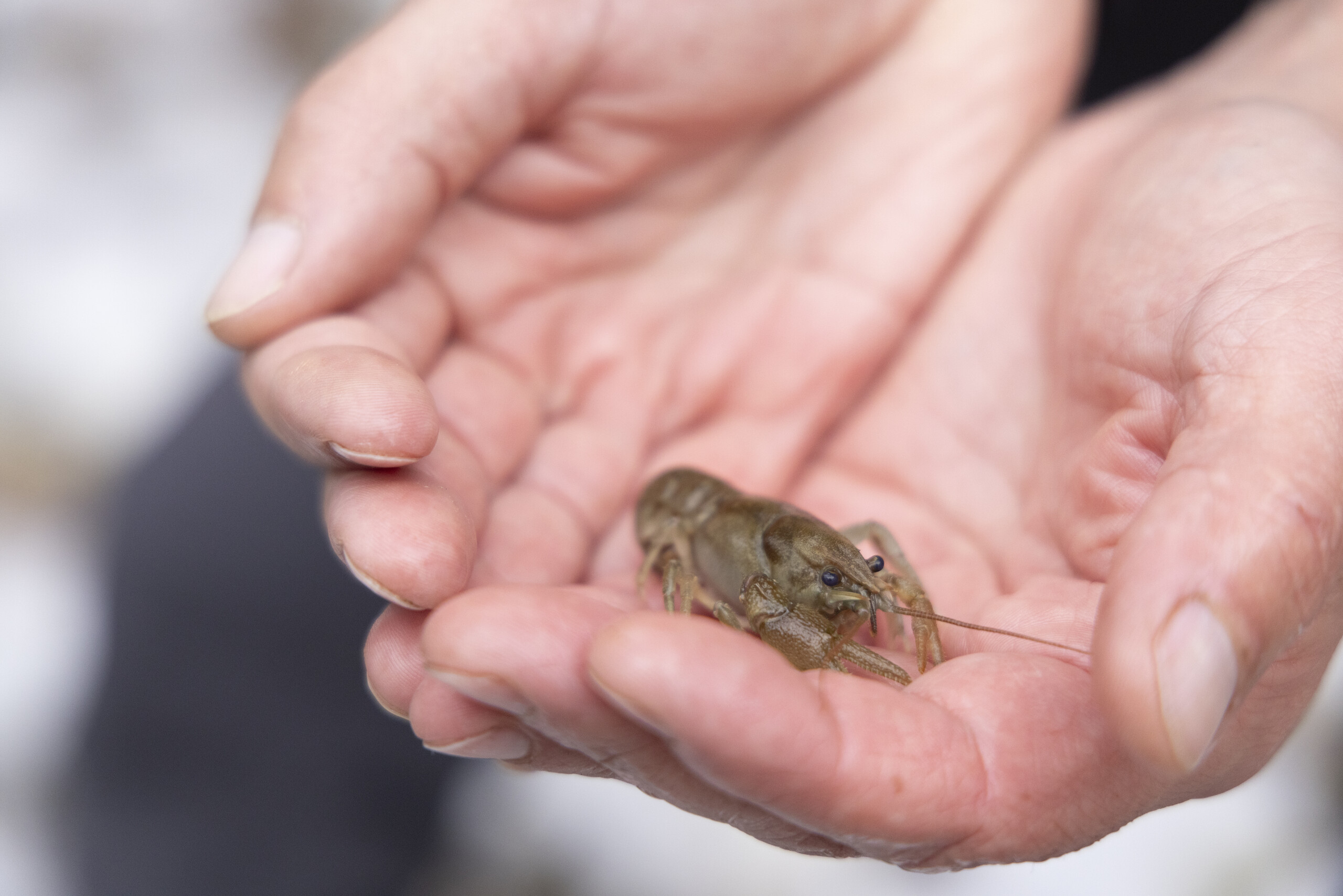
Since 2021, thanks to the network of breeding centres, almost 8,000 juvenile crayfish have been reintroduced into local rivers. In 2025, in collaboration with the Zompo Lo Schioppo Nature Reserve, around 4,000 young Mediterranean trout were released into the Romito stream.
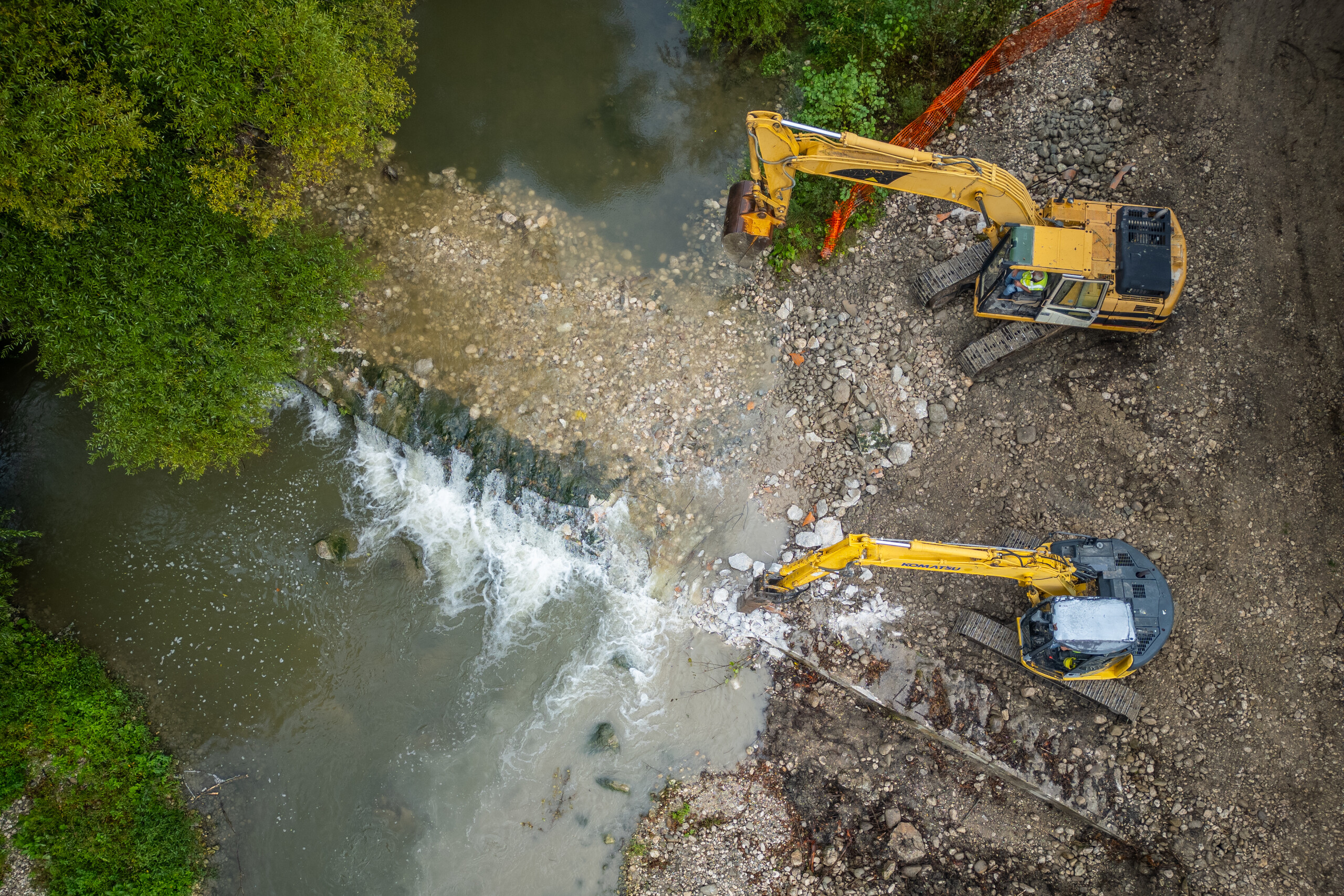
In 2024, another historic milestone was reached: the removal of the first five river barriers in the central Apennines, on the Giovenco River, thanks to the Giov&Go project. This pioneering intervention was followed by the removal of a major weir on the Liri River through the Wild Lyric project: the Cesapresa weir, completed in November 2025.
In both rivers, almost 12 kilometres of free-flowing watercourse have been returned to nature. But the ecological importance of these interventions also lies in their potential domino effect, which could trigger further removals upstream and downstream: a virtuous chain of ecological reconnections capable, over time, of freeing tens of kilometres of river.
From the Apennines to Europe
The pioneering value of this work has also been recognised at international level. Dam Removal Europe has identified Rewilding Apennines as one of the frontrunners of change in Europe, for its ability to break new ground in a complex context with no previous models, building skills, procedures and partnerships where none existed before.
These results do not remain confined to the central Apennines. They are part of a broader, Europe-wide river restoration effort promoted by Rewilding Europe, which connects landscapes, experiences and knowledge across the continent. This journey is explored in a dedicated feature, placing the Apennine experience within a shared European vision.
A step back: from surveys to detailed design
In 2020, Rewilding Apennines carried out the first systematic study of river barriers in the central Apennines, with the aim of assessing their technical, ecological and administrative feasibility for removal.
A total of 169 kilometres of watercourses were surveyed along the Liri, Sagittario, Gizio and Sangro rivers. No fewer than 289 barriers were recorded, including dams, weirs, fords and channelised sections, with an average density of 1.7 barriers per kilometre and much higher concentrations at certain critical points.
The vast majority of these structures proved to be obsolete and no longer serving any active function, yet still fully capable of causing longitudinal habitat fragmentation, altering sediment transport and obstructing fish movement.
On the strength of this solid knowledge base, and with financial support from the Open Rivers Programme and Rewilding Europe, , Rewilding Apennines developed and delivered two detailed barrier-removal projects on the Giovenco River and the Liri River. In the first case, governance involved the Bisegna municipality and the Abruzzo, Lazio and Molise National Park; in the second, the municipality of San Vincenzo Valle roveto.
A governance model built to face an unprecedented context
Perhaps even more than for its environmental goals, this programme deserves credit for opening up an entirely new pathway in a region where similar interventions had never been carried out before. In the absence of local precedents, Rewilding Apennines had to design and implement a multi-level governance model built on several key pillars:
-
structured cooperation between NGOs and public institutions,
-
integration of ecological and engineering expertise,
-
direct management of complex authorisation procedures,
-
operational coordination with local authorities.
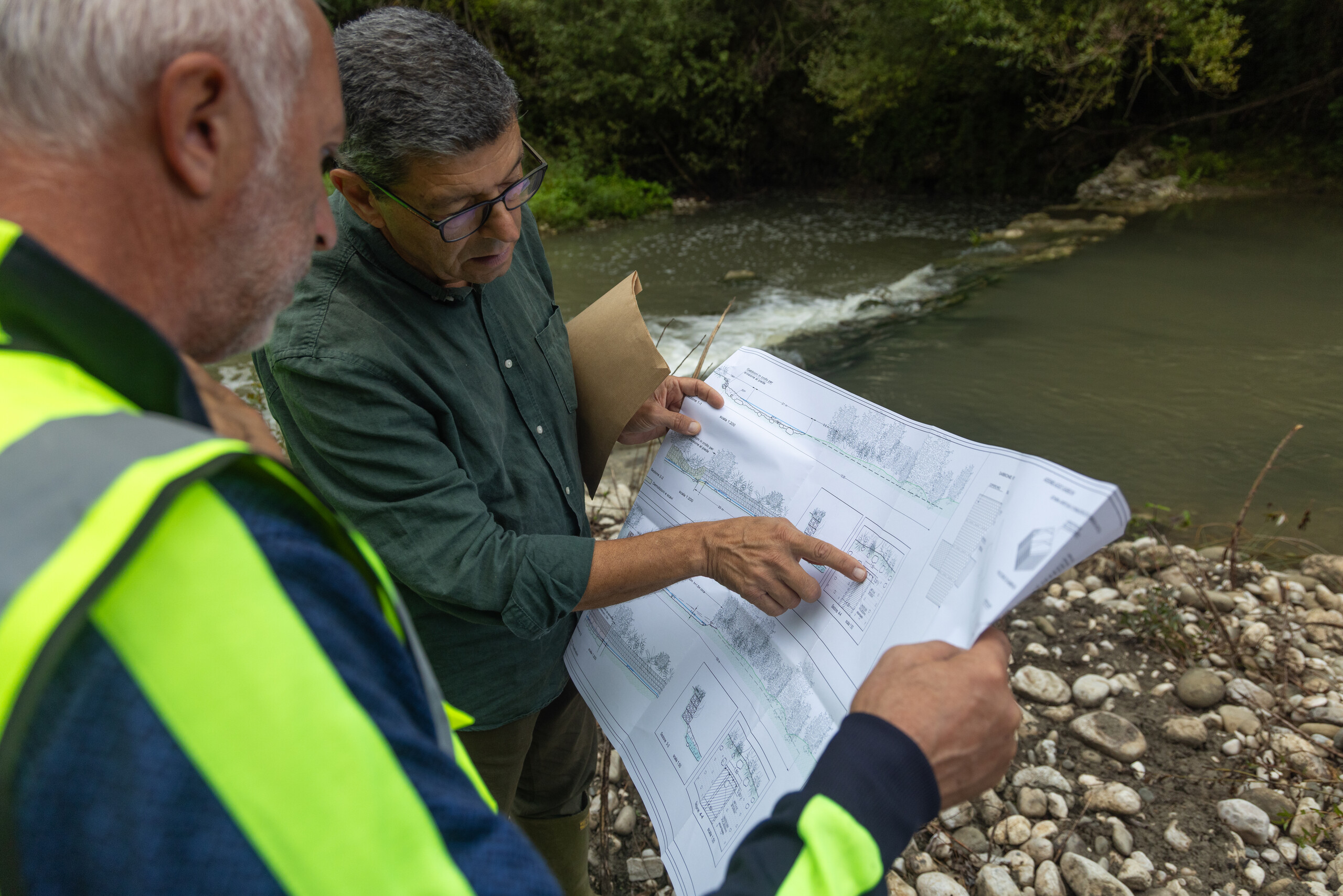
The permitting process—especially with regard to hydraulic safety—required the creation from scratch of procedures that now serve as a reference for future interventions. This was highly specialised work, carried out side by side by hydraulic engineers and ecological consultants working with Rewilding Apennines.
It was a process shaped by analysis, verification and continuous dialogue with local stakeholders. To deliver the intervention, in-depth hydraulic, geological and environmental studies were undertaken—essential for obtaining approval from the Basin Authority and the necessary clearances from the competent bodies, including the Civil Engineering Authority and the Abruzzo Region. Full project endorsement was also secured from the Abruzzo, Lazio and Molise National Park and from the Municipality of Bisegna for the Giovenco intervention, and from the Municipality of San Vincenzo Valle roveto for the Liri.
Early results: nature responds
On the Giovenco River, trout have already recolonised the stretches upstream of the removed barriers. This is an immediate sign of the effectiveness of the intervention and of the extraordinary resilience of natural ecosystems. The deeper benefits, however, will emerge over time. It is precisely to accompany and understand this process that every intervention is tracked step by step through a rigorous system of scientific monitoring.
Pre- and post-intervention monitoring is a core component of the barrier-removal projects and includes:
- analysis of sediment dynamics and transport,
- the presence of fish and macroinvertebrates,
- spontaneous recolonisation of riparian vegetation,
- the formation of new natural refuges.
The expected outcome is richer wildlife, increasingly natural river dynamics, and the full restoration of nutrient and sediment flows—fundamental to the long-term health of river ecosystems.
Bringing trout and crayfish back to the rivers
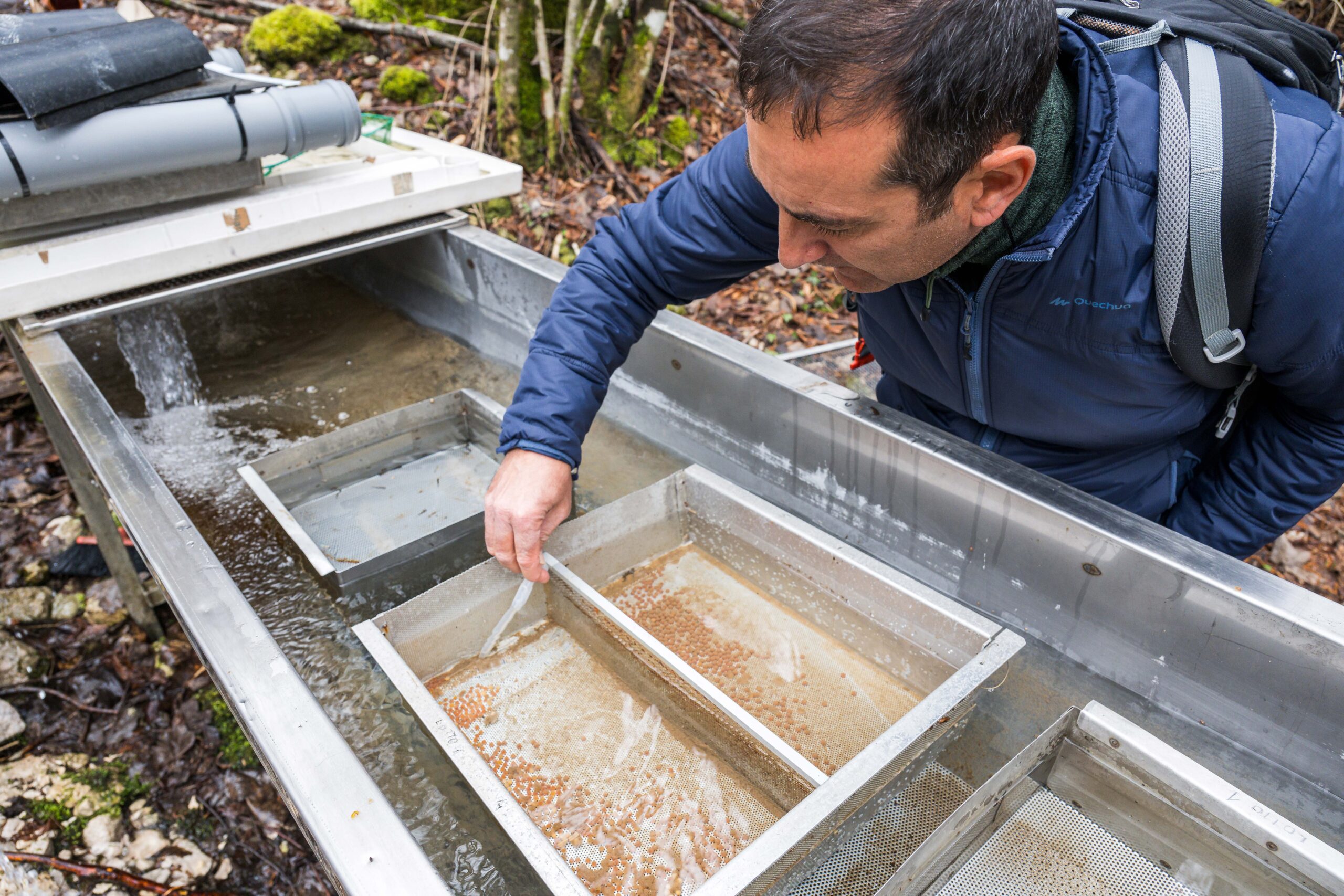
Alongside barrier-removal work, Rewilding Apennines has built a fully operational network dedicated to the breeding, rearing and reintroduction of the key species of Apennine river ecosystems: the native crayfish and the Mediterranean trout.
Once widespread, native crayfish are now disappearing from European watercourses. Pollution, overharvesting, diseases such as crayfish plague, and the spread of invasive species have caused a dramatic collapse in populations in Italy as well. To counter this trend, Rewilding Apennines manages four specialised centres—in Borrello, Pettorano sul Gizio, Morino and Monteferrante — where breeding adults are selected, juveniles are reared, and every stage of their development is carefully overseen until their release into the wild. These centres have supplied the nearly 8,000 young crayfish that have repopulated local rivers.
A similar effort is under way for the Mediterranean trout, in collaboration with the Zompo Lo Schioppo Regional Nature Reserve: from the collection of eggs from wild breeders, through controlled fertilisation and safe rearing, to the final release. So far, 4,000 trout have been released into the Romito stream.
Every release—of both trout and crayfish—takes place in full compliance with the permits issued by the competent authorities and under the guidance of the project’s specialist technicians and consultants.
A benchmark operational model for the Apennines
The river restoration programme run by Rewilding Apennines has already delivered:
- the first river-barrier removals in the central Apennines;
- a complete pipeline covering design, permitting, implementation and monitoring;
- a replicable governance model;
- a stable network of centres for the restocking of native species;
- scientific data that can be used for future planning.
This is impact
An impact measured in kilometres of river reconnected, in thousands of animals returned to the wild, in barriers that disappear and ecosystems that come back to life. An impact that shows how rewilding—when guided by science, cooperation and vision—can truly change the future of our rivers.