
Rewilding Apennines among eight new European initiatives selected by the Endangered Landscapes & Seascapes Programme to drive large-scale ecological restoration.
…
Across Europe, some of the continent’s most ecologically valuable landscapes are entering a new phase of renewal.
The Endangered Landscapes & Seascapes Programme, managed by Cambridge Conservation Initiative and supported by Arcadia, has launched eight new large-scale restoration initiatives, reinforcing a long-term commitment to the recovery of terrestrial and marine ecosystems across the continent.
With this latest funding round, the total number of supported initiatives rises to 29, forming an expanding network united by a shared vision: to give space back to nature, restore natural processes, and strengthen the resilience of landscapes in the face of climate change. Together, these initiatives are contributing to the regeneration of 9.7 million hectares of land and sea — an area comparable to the size of Portugal — demonstrating that large-scale ecological restoration is no longer a distant ambition, but a growing reality.
A quiet yet profound transformation is underway, unfolding across mountains, forests, rivers, and coastlines. It shows that decades of fragmentation and ecological decline can be reversed — restoring functionality, vitality and future prospects to some of Europe’s most extraordinary landscapes.
…
AZIO
Restoring the wild hearth of Italy: the Rewilding Apennines commitment
Among the new initiatives supported by the Programme is the one led by Rewilding Apennines: a five-year commitment that, starting in April 2026, will expand and consolidate the work already carried out together with Rewilding Europe.. The aim is to strengthen ecosystem functionality, re-establish the continuity of natural processes at a landscape scale, and support the return and consolidation of key species — contributing to the ecological regeneration of the Central Apennines.
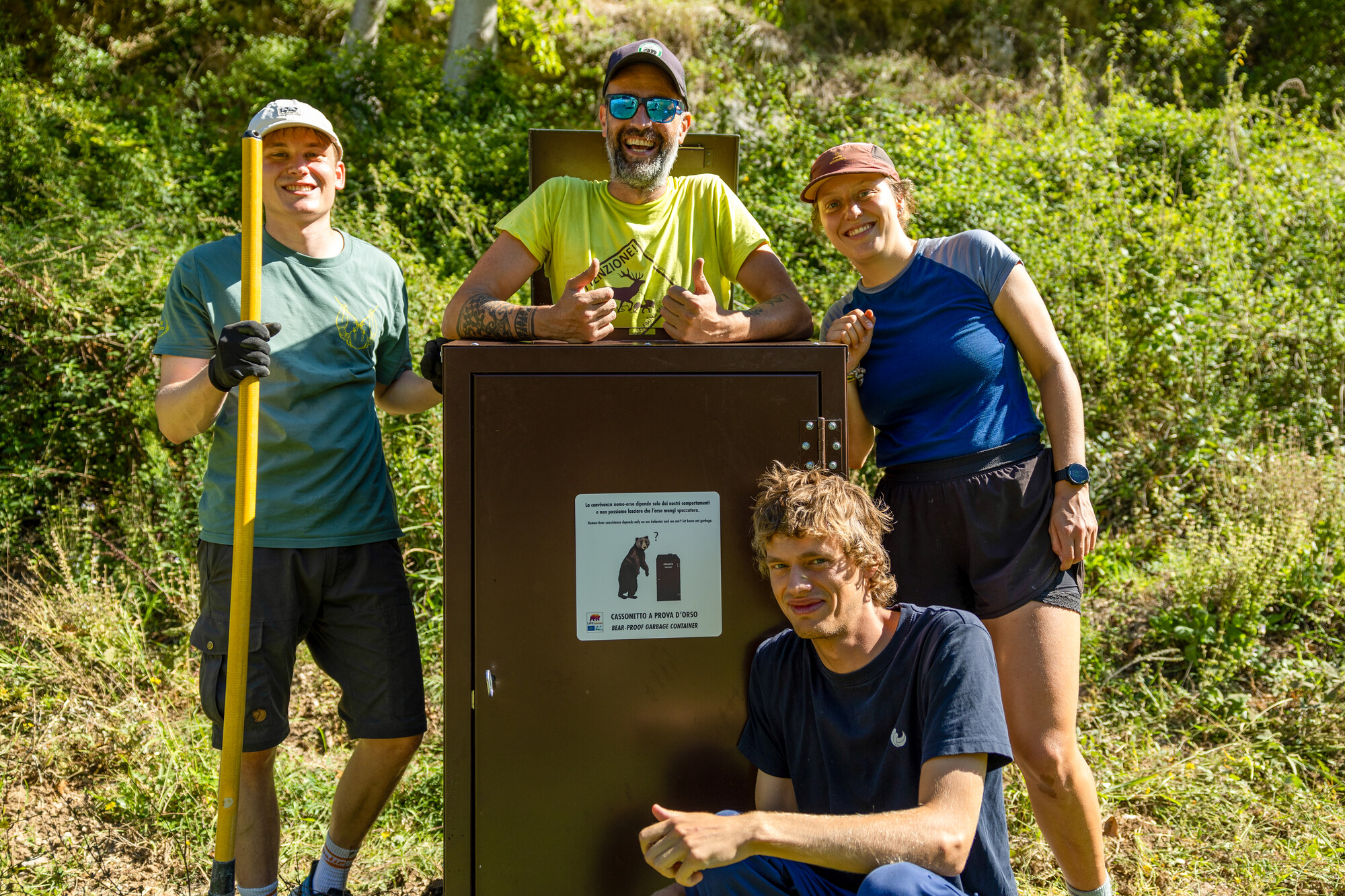
The expected benefits extend beyond nature itself to the communities who live in and care for these landscapes. The initiative will help strengthen models of coexistence between people and wildlife, while supporting new economic opportunities linked to a healthier, more dynamic natural environment — one capable of generating ecological, social, and economic value over the long term.
Restoring rivers and wetlands: natural allies in a changing climate
Rivers and wetlands are among the most threatened ecosystems on Earth, yet they are also among the richest in biodiversity and the most effective at regulating water cycles, storing carbon and reducing the impacts of drought. Their restoration is particularly urgent in the Mediterranean region, where the risk of prolonged drought continues to grow.
A key action will be the rewetting of at least 30 hectares. Rewetting is an innovative approach that restores natural hydrological conditions, allowing water to return to its original spaces. This will help recover degraded wetlands and create new ones, restoring essential habitats for a wide range of species, enhancing ecosystem stability, and strengthening resilience to climate change.
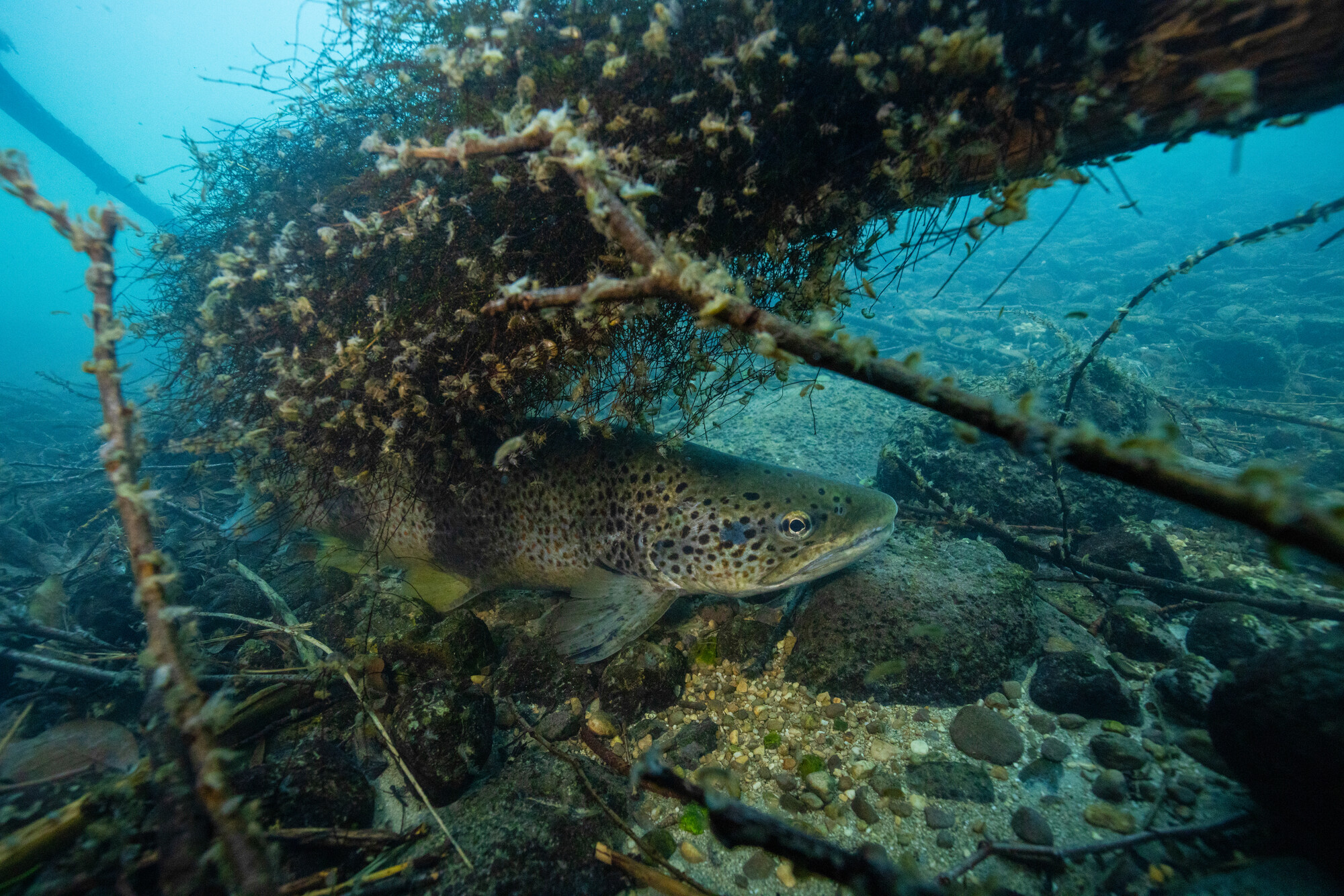
At the same time, Rewilding Apennines will continue its efforts to restore the ecological continuity of rivers – work already initiated with the support of the Open Rivers Programme and Rewilding Europe. This will include removing obsolete river barriers and reinforcing populations of key species, such as Mediterranean trout and native freshwater crayfish. The aim is to restore natural hydrological dynamics, re-establish predator–prey interactions, and enable species to disperse freely along at least 30 kilometres of river systems.
…
…
Strengthening the connectivity and functionality of terrestrial habitats
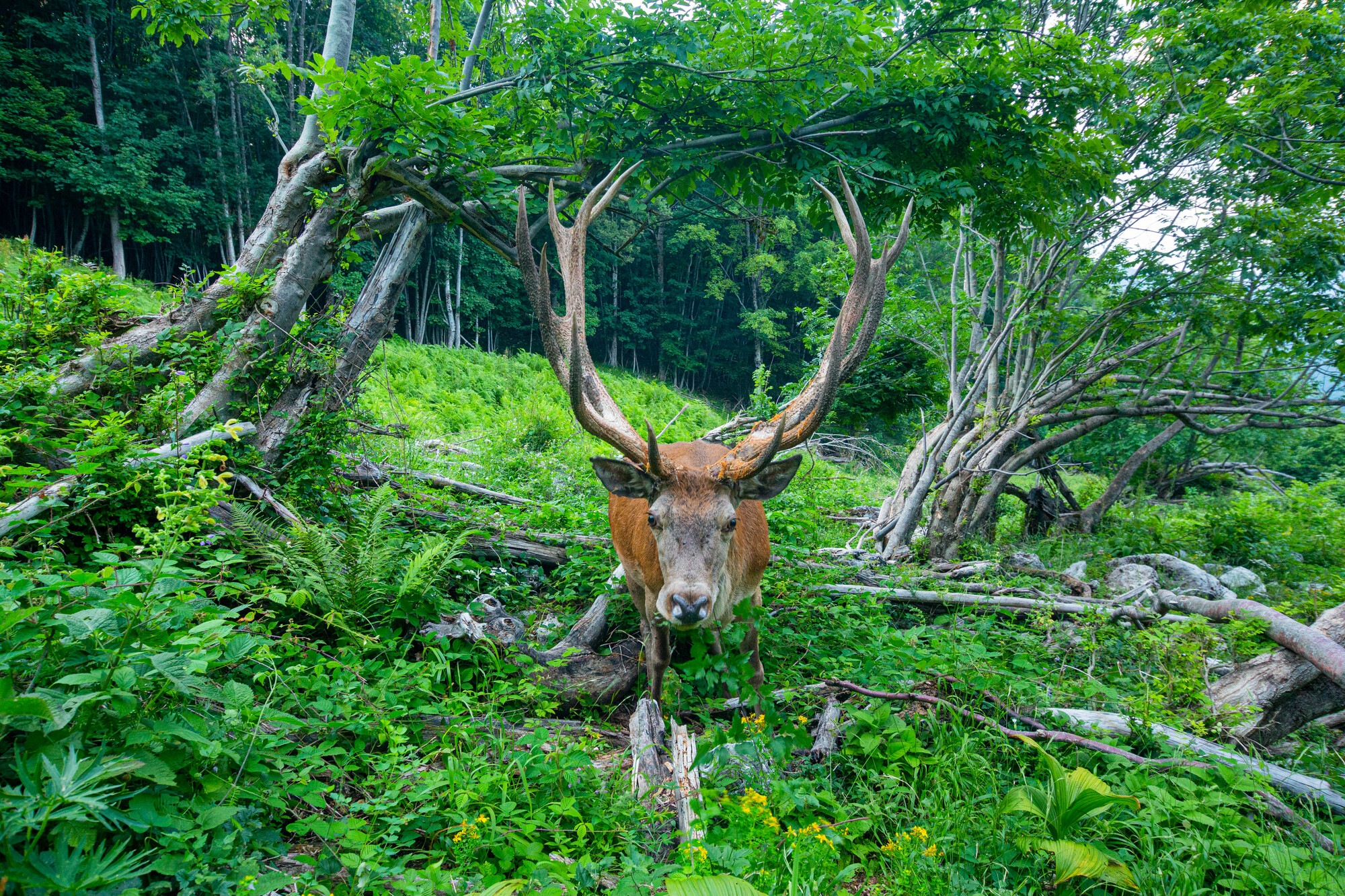
To enhance connectivity across terrestrial ecosystems, the initiative will support rewilding-based management of around 1,300 hectares of forest, alongside pilot initiatives in natural grazing across at least 2,000 hectares. These actions will help maintain diverse, dynamic and resilient habitats.
Particular attention will be given to conservation measures for the Meadow viper (Vipera ursinii), an emblematic species of the Central Apennines’ high-altitude grasslands that is now under significant threat.
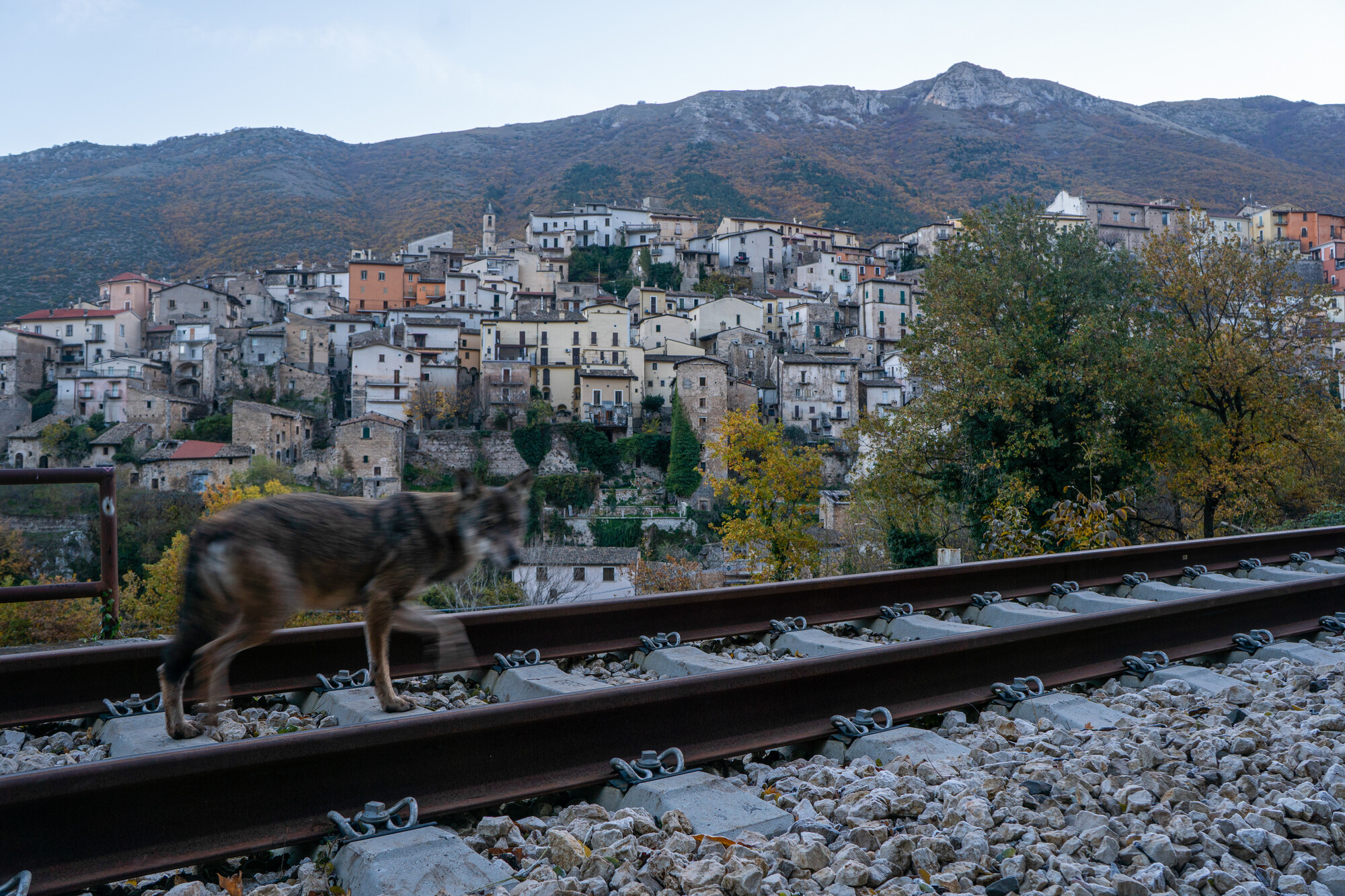
The ability of wildlife to move freely across landscapes is essential for species survival and ecosystem health. To support this, Rewilding Apennines will remove at least 200 km of obsolete fencing and strengthen ecological corridors, including improving wildlife underpasses and overpasses along roads. By reducing risks and restoring permeability across the landscape, these measures will enhance safety for both wildlife and people, while helping to re-establish the ecological continuity that nature depends on.
…
…
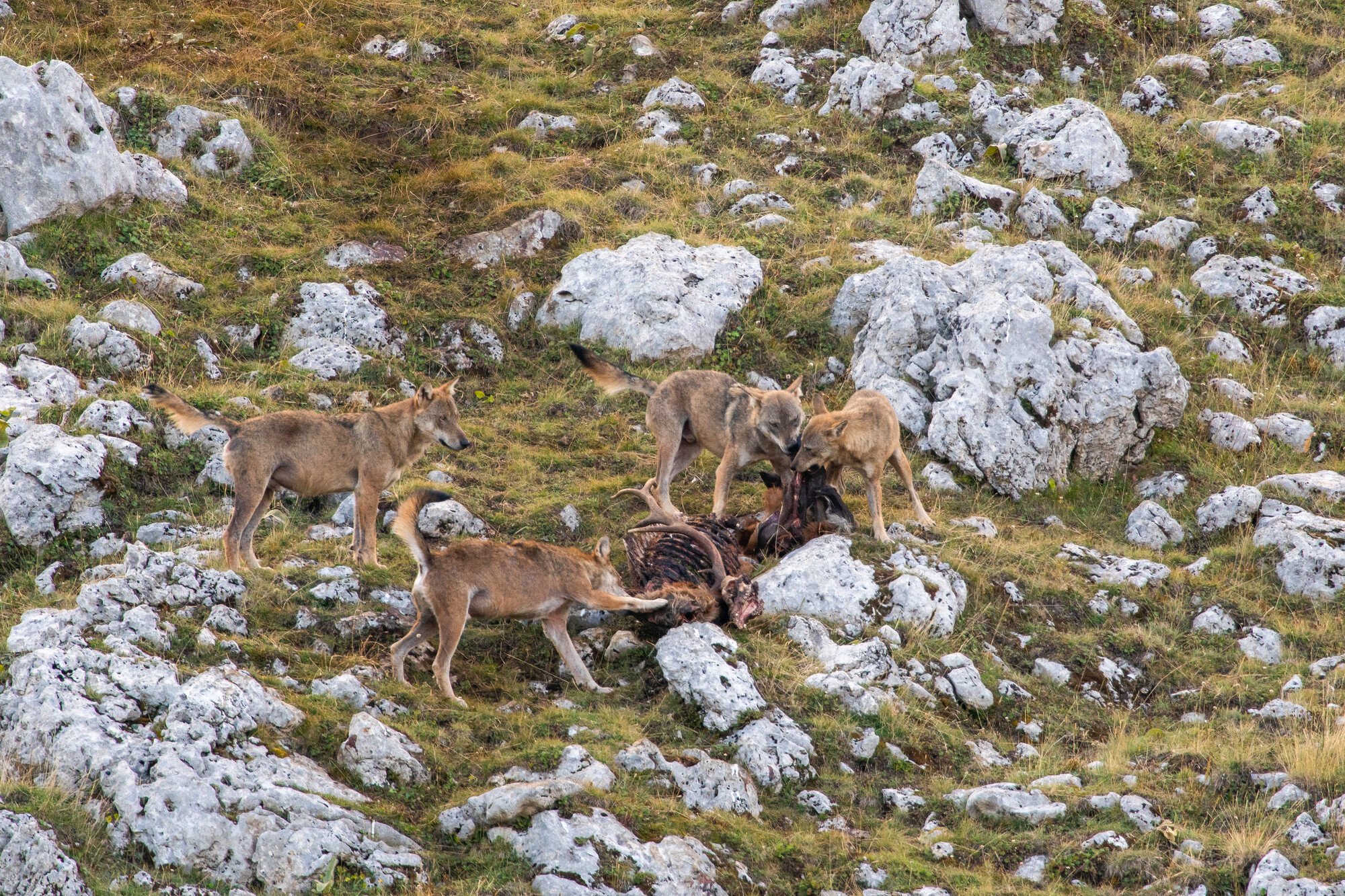
Rebuilding food chains
..
Empowering communities
The Endangered Landscapes & Seascapes Programme aims to restore natural ecological processes, species populations and habitats for a better and more sustainable future. It signals a shift away from a narrative of ‘slowing declines’ and ‘no net loss’ to a positive and creative conservation agenda in which the potential of our land and seas is recognised. The Endangered Landscapes & Seascapes Programme is managed by the Cambridge Conservation Initiative in partnership with Arcadia, a charitable foundation that works to protect nature, preserve cultural heritage, and promote open access to knowledge.
…